Diplomatic Quarter Riyadh: Comprehensive Area Guide (2026)
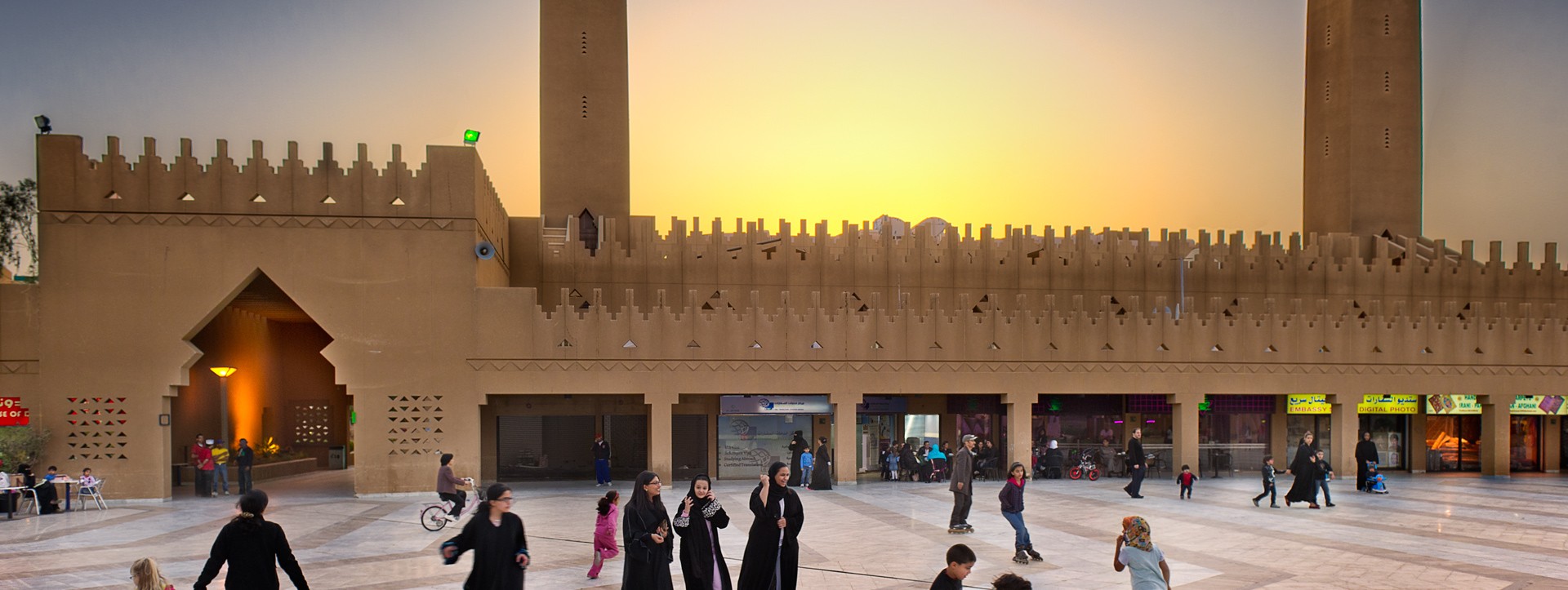
The Diplomatic Quarter, also known as Al Safarat, is one of the most structured and strategically planned districts in Riyadh. Located in the north-west of the capital, it functions as a diplomatic, residential, and cultural hub, combining international presence with a controlled urban environment.
Developed under the Royal Commission for Riyadh City, the district reflects a long-term planning approach focused on integration, infrastructure, and quality of life.
Overview
The Diplomatic Quarter spans approximately 8 square kilometres and was originally developed to accommodate embassies and international organisations following the relocation of diplomatic missions from Jeddah to Riyadh in 1975.
Today, it hosts dozens of embassies, government institutions, and cultural facilities within a controlled environment designed for security and accessibility. The district was conceived as a “model neighbourhood”, combining urban infrastructure with architectural cohesion and environmental planning.
Its layout integrates residential zones, commercial areas, public services, and green spaces into a single framework, allowing it to function as a self-contained urban district rather than a conventional neighbourhood.
Location and Connectivity
The Diplomatic Quarter is situated in the north-western part of Riyadh, near major transport corridors including King Khalid Road and Mecca Road. Its position provides direct access to central business districts while maintaining physical separation from dense urban areas.
The district is also bordered by Wadi Hanifa, which enhances its environmental character and contributes to its quieter setting. Connectivity is structured through a network of arterial roads linked to internal routes designed for controlled traffic flow and security access.
Entry into the area is managed through designated gates, reflecting its diplomatic function. While accessible to visitors, movement is regulated, particularly around embassy zones.
Urban Planning and Design
The Diplomatic Quarter is one of the earliest examples of comprehensive urban planning in Riyadh. Its master plan was based on integrating diplomatic functions with residential and civic infrastructure.
The district is organised around a central mixed-use spine that connects key facilities, including commercial centres and public institutions. This core is supported by residential clusters and embassy zones, all linked through landscaped corridors and pedestrian pathways.
A defining feature of the design is the allocation of land use:
Around 30 percent of the area is dedicated to parks and green spaces
Residential areas account for over 20 percent
Diplomatic buildings occupy a significant but controlled portion
The remainder is distributed across roads, services, and commercial functions
This balance ensures that the district avoids congestion while maintaining functionality.
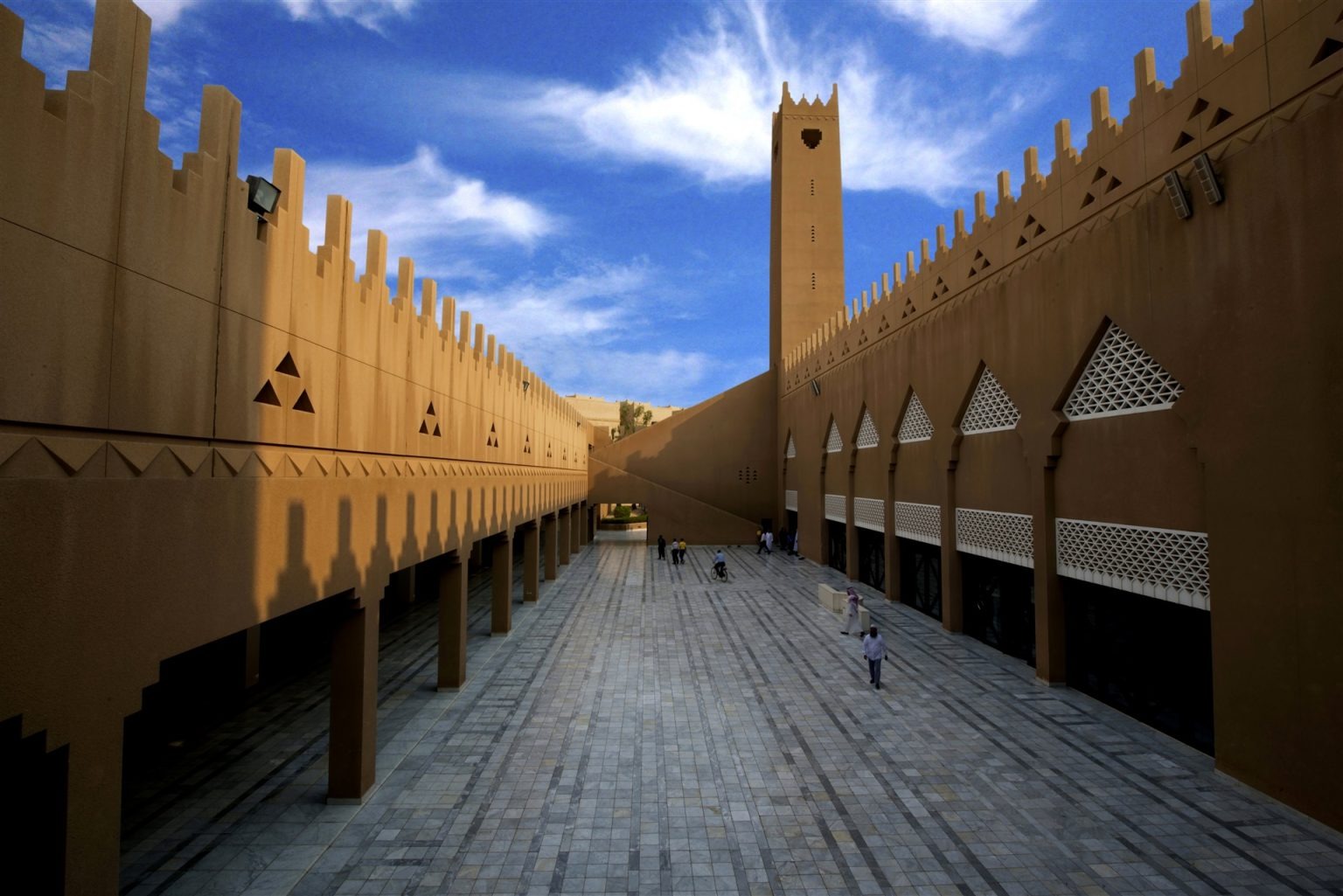
Architecturally, the area blends traditional Saudi design elements with modern planning principles. Buildings are generally low-rise, with a focus on horizontal expansion and open space, reinforcing a consistent visual identity across the district.
Infrastructure and Facilities
The Diplomatic Quarter was designed with advanced infrastructure from its inception. It includes extensive utility networks, such as water supply systems, irrigation networks, sewage treatment facilities, and a large-scale power grid.
These systems support both the operational needs of diplomatic missions and the daily requirements of residents. The presence of a centralised irrigation system and landscaped areas also reflects a focus on environmental sustainability in an arid climate.
Public facilities include:
Educational institutions
Healthcare services
Mosques and community centres
Cultural venues and event spaces
The district also features commercial areas that provide retail and dining options, supporting both residents and visitors.
Lifestyle and Environment
The Diplomatic Quarter offers a distinct lifestyle compared to other parts of Riyadh. It is characterised by low traffic density, organised streets, and extensive green areas.
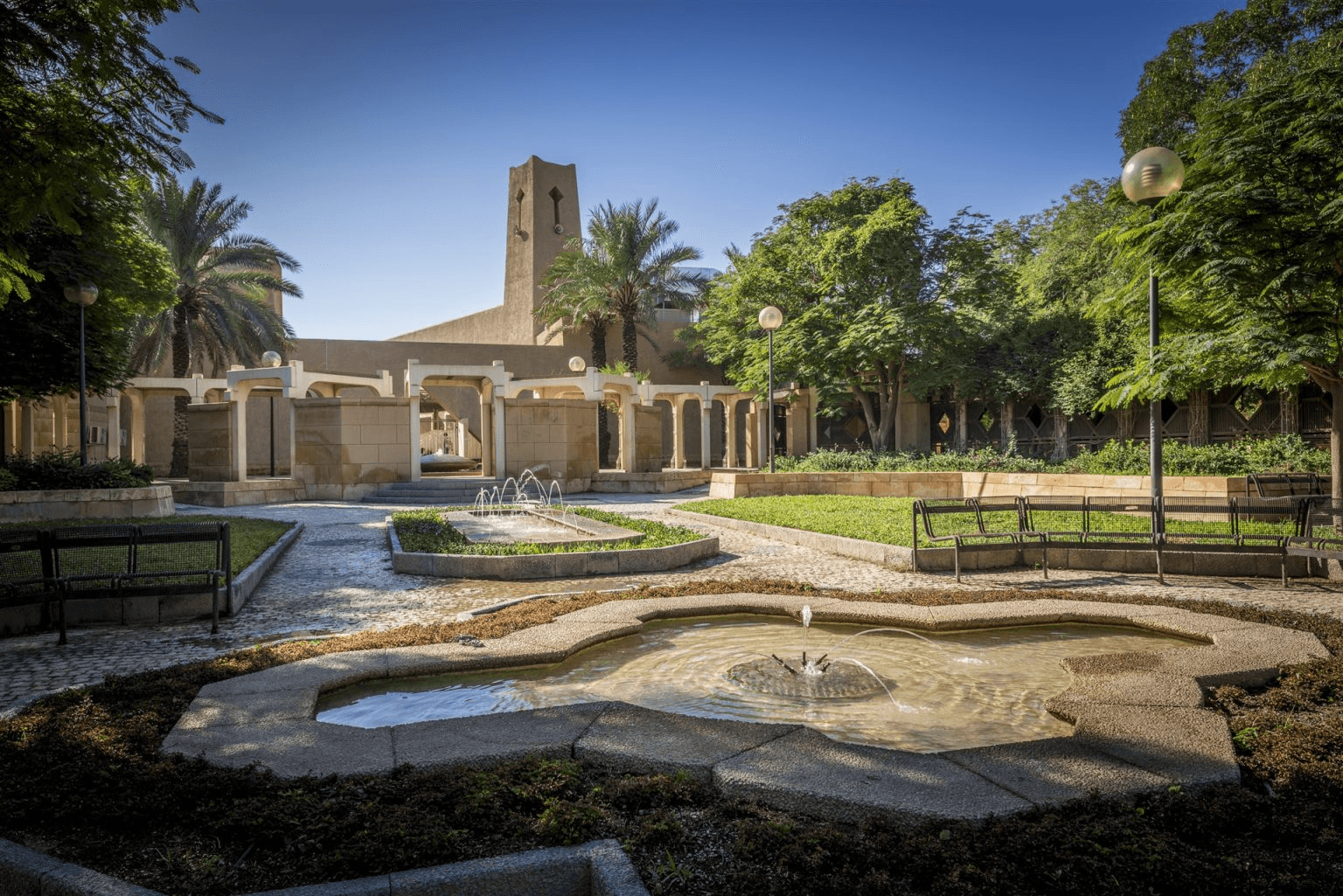
Parks and open spaces are distributed throughout the district, with walking and cycling paths integrated into the urban layout. These features support outdoor activity and contribute to a quieter, more controlled environment.
The district’s population includes diplomats, government employees, and Saudi residents, creating a diverse but structured community. This mix contributes to an international atmosphere while maintaining local cultural identity.
Security is a defining aspect of the area, with controlled access points and monitoring systems ensuring a high level of safety.
Cultural and Diplomatic Role
Beyond its residential function, the Diplomatic Quarter plays a central role in Riyadh’s international and cultural landscape. It hosts embassies, international organisations, and official institutions, making it a focal point for diplomatic activity in Saudi Arabia.
The district also supports cultural engagement through events, exhibitions, and collaborations between embassies and local institutions. These activities contribute to its role as a cultural hub rather than solely an administrative zone.
Facilities such as cultural centres and public squares are designed to accommodate gatherings and events, reinforcing the district’s dual identity as both a diplomatic enclave and a public-facing space.
Real Estate and Investment
The Diplomatic Quarter is considered one of the more exclusive areas in Riyadh. Property within the district includes villas, apartments, and residential compounds, many of which are designed to meet international standards.
Demand is driven by:
Proximity to embassies and government institutions
High levels of security
Planned infrastructure and services
Property availability is relatively limited, which contributes to higher price levels compared to other districts. However, this also supports long-term value stability.
From an investment perspective, the area benefits from its strategic importance and ongoing development under the Royal Commission for Riyadh City.
Development and Governance
The Diplomatic Quarter continues to be managed and developed by the Royal Commission for Riyadh City, which oversees planning, infrastructure, and regulatory frameworks.
The original development programme aimed to create a fully integrated district capable of supporting diplomatic functions alongside residential and commercial activities. This approach has been maintained through ongoing upgrades and planning initiatives.
Recent efforts focus on enhancing public spaces, improving infrastructure, and maintaining the district’s role within Riyadh’s broader urban development strategy.
What Sets the Diplomatic Quarter Apart
The Diplomatic Quarter stands out due to several defining characteristics:
Integrated planning combining diplomatic, residential, and commercial uses
Extensive green spaces and landscaped environments
Controlled access and high security standards
Strong infrastructure and utility systems
Cultural and international significance
These elements differentiate it from other districts in Riyadh, positioning it as a specialised urban zone rather than a typical residential area.
Key Takeaways
The Diplomatic Quarter represents a distinct model of urban development in Riyadh. Designed to accommodate international diplomacy while supporting residential life, it combines infrastructure, planning, and environmental design within a controlled framework.
Its continued relevance lies in its ability to balance functionality with quality of life. As Riyadh expands, the district remains a reference point for integrated planning, demonstrating how specialised urban areas can operate efficiently within a growing capital.
For residents, businesses, and visitors, the Diplomatic Quarter offers a structured environment defined by accessibility, organisation, and international presence, making it one of the most significant districts in Riyadh as of 2026.
Lifestyle
Community News

Bassam brings a rare mix of finance and hospitality sales to the world of commercial real estate, with roots at InterContinental, Rotana, and Abu Dhabi National Hotels. That cross-functional foundation gives him a well-rounded perspective on what businesses and clients truly need from a workspace.
Table of Content
Frequently Asked Questions
Is the Diplomatic Quarter open to the public?
Yes, the Diplomatic Quarter in Riyadh is open to visitors. However, access is controlled, and certain embassy zones may have restrictions. Visitors are typically required to enter through designated gates.
Are there dining and retail options available?
Yes, the area includes a selection of cafés, restaurants, and small retail outlets that cater to residents, professionals, and visitors.
Is the Diplomatic Quarter suitable for families?
Yes, the district is considered family-friendly due to its organised layout, green spaces, and quieter environment compared to central Riyadh.
Are there recreational facilities in the area?
Yes, the district offers walking paths, parks, and open spaces that support outdoor activities and leisure.
How does the Diplomatic Quarter compare to other Riyadh districts?
It is more structured and less congested than many other areas, with a focus on planning, security, and integrated services.
Are there schools within or near the Diplomatic Quarter?
There are educational institutions within or close to the district, making it practical for residents with children.
Related Articles
Shareek Program Marks New Era for Saudi Private Sector
Industry Insights
Professional Development
Coworking Space
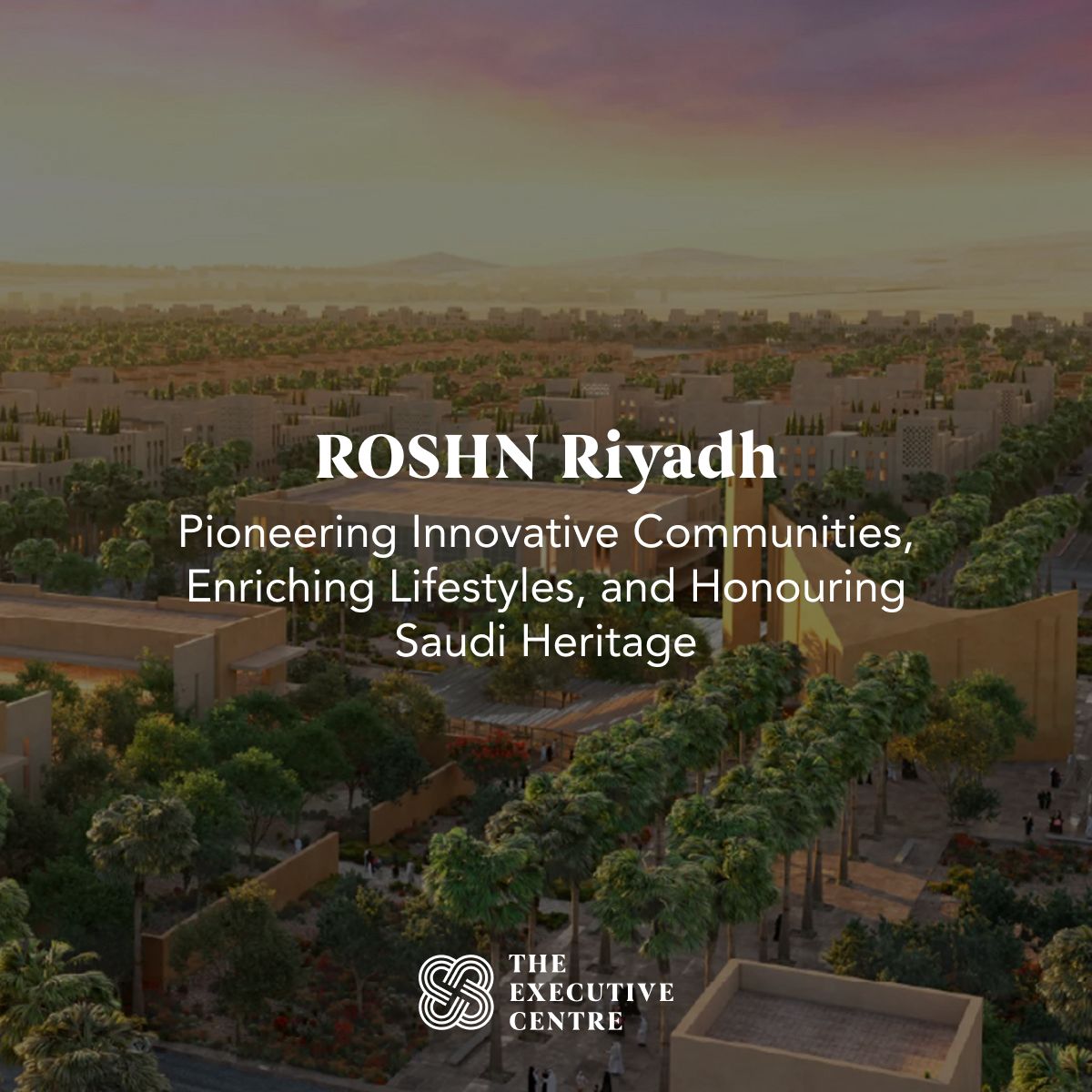
ROSHN Riyadh: Bridging Innovation & Community in Saudi Housing
Industry Insights
Sustainability
Meeting and Events

Discovering the Diriyah Project: History, Vision & Transformation
Industry Insights
Lifestyle
Community News

Oxagon NEOM: Redefining Industry and Innovation on the Red Sea
Industry Insights
Sustainability