Special Economic Zone (SEZ): A New Gateway for Global Investment
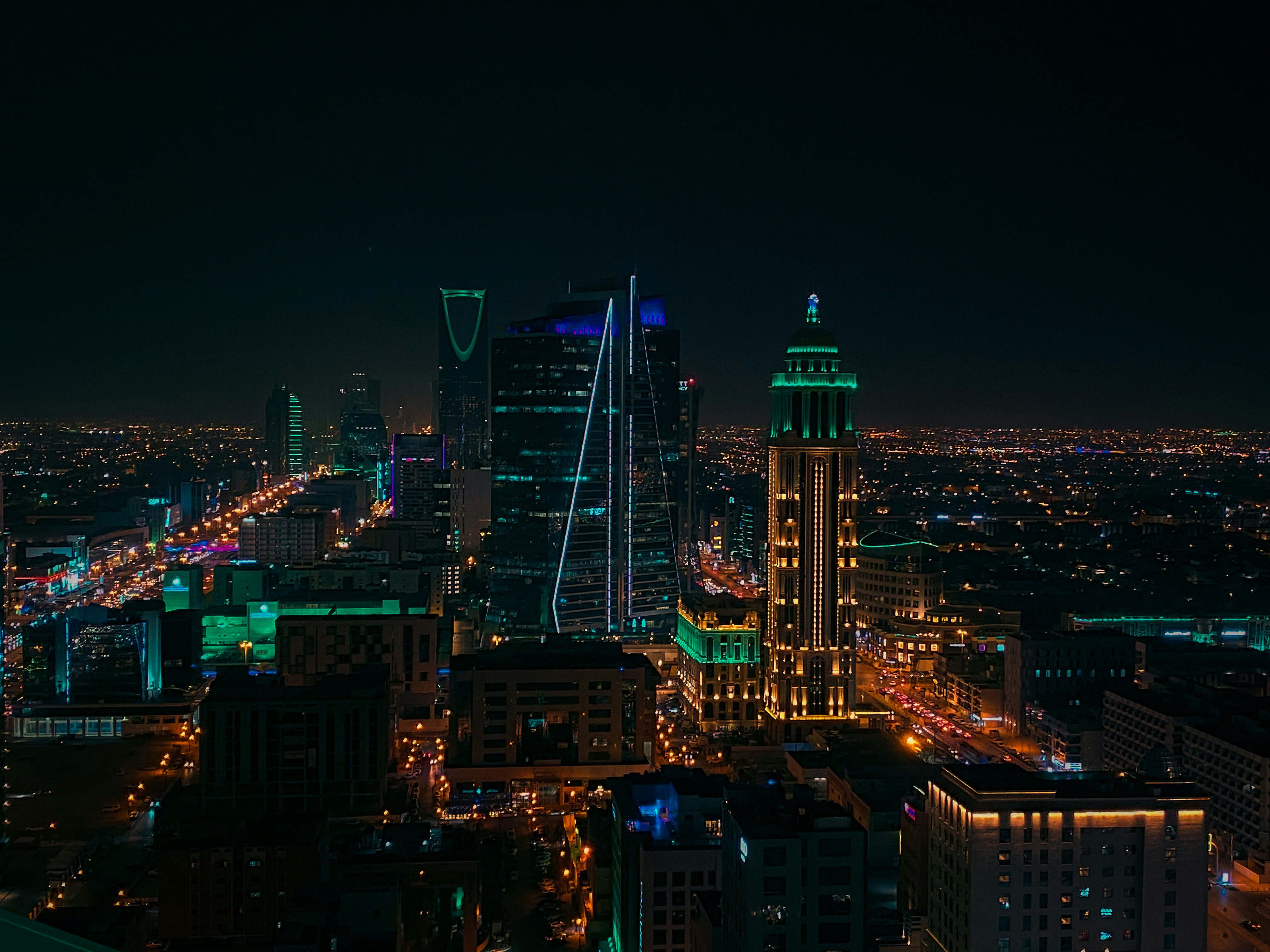
Centred on its transformational goals under Vision 2030, Saudi Arabia continues to drive significant progress in its economic evolution. One such initiative is the launch of Special Economic Zones (SEZs) in 2023, which has created a powerful platform for global investors seeking growth, stability, and long-term opportunity.
They are special classified zones in the Kingdom designed to accelerate and boost economic diversification, stimulate private sector expansion, and position Saudi Arabia as one of the world’s most competitive investment destinations.
This initiative features a range of offerings, including compelling financial incentives, regulatory clarity, and sector-specific ecosystems that enable businesses to scale with confidence.
Any international company that wants to explore its potential in the Middle East can use SEZs as a convenient gateway to both regional and global markets.
This blog will provide a simple breakdown of the five SEZs,, benefits, and what to expect.
A Strategic Initiative Under Vision 2030
Saudi Arabia is undergoing a major transformation with its Vision 2030 projects to reduce reliance on oil revenues and strengthen high-growth sectors such as logistics, advanced manufacturing, pharmaceuticals, cloud computing, and maritime industries. The SEZ programme plays a crucial role in this strategy.
His Royal Highness Mohammed bin Salman, Crown Prince and Prime Minister, announced the launch of four new Special Economic Zones in 2023. They are regulated by the Economic Cities and Special Zones Authority (ECZA), which ensures a streamlined regulatory framework and a competitive legislative environment tailored specifically to attract foreign direct investment (FDI).
The SEZ project also aligns perfectly with the country’s broader National Investment Strategy, which focuses on:
Increased foreign direct investment (FDI) inflows
Strengthened domestic supply chains
Higher non-oil exports by 2030 and beyond
Powerful Financial Incentives for Investors
One of the most attractive benefits of SEZs in Saudi Arabia is their highly competitive fiscal framework, which is designed to lower operational costs and maximise profitability.
Reduced Corporate Tax Rate
Businesses set up in SEZs get to enjoy a reduced corporate tax rate of 5%, compared to the standard 20% corporate tax rate applicable in the country. This reduction provides a substantial long-term financial advantage for foreign-owned companies launching their firms in Saudi Arabia.
0% Withholding Tax
Profits can be repatriated from SEZs to foreign countries with 0% withholding tax. This gives investors unrestricted capital movement and greater financial flexibility.
0% Customs Duties
Businesses established in an SEZ are subject to 0% customs duties on capital equipment and inputs within the zones. Through this, companies can reduce upfront investment costs and enhance supply chain efficiency, particularly for manufacturing and logistics-focused businesses.
All these financial benefits create a highly attractive business ecosystem for all types of companies, from multinational corporations and SMEs to growth-stage technology firms alike.
Hiring Flexibility and Regulatory Advantages
SEZs offer a more flexible approach to workforce localisation policies. The current Saudization policy mandates that at least 25% to 33% of a service company's workforce be citizens. SEZs will move towards a more adaptable, case-by-case quota system.
This hiring incentive enables businesses to strike a balance between international expertise and local talent, fostering operational efficiency while advancing national workforce goals.
Investors are encouraged to work closely with the Ministry of Investment of Saudi Arabia (MISA), which provides guidance on licences, approvals, and regulatory compliance to ensure businesses are fully equipped to operate within the zones.
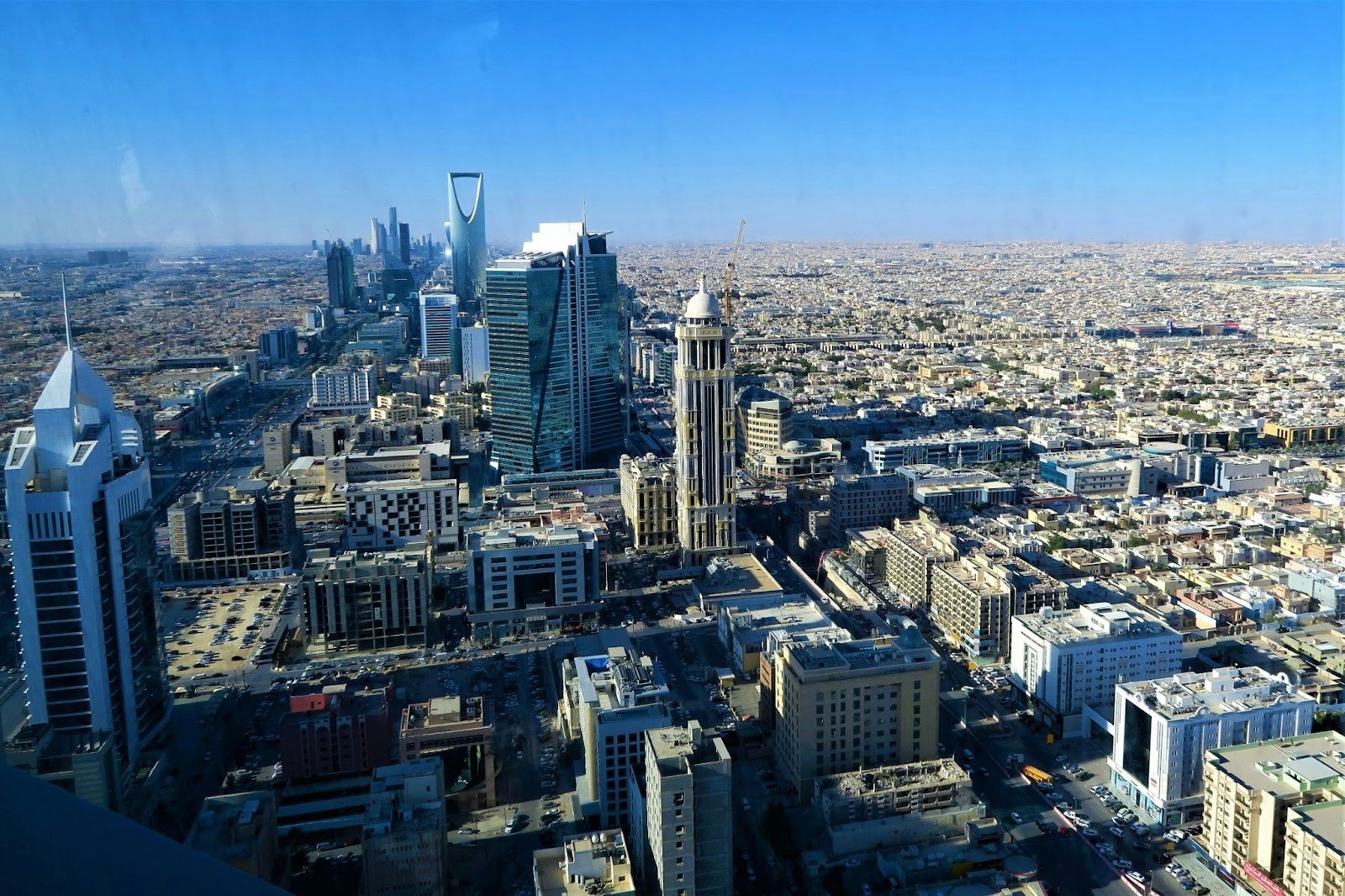
The Five Special Economic Zones
Saudi Arabia’s five SEZs are strategically positioned across four regions, each tailored to priority sectors and global trade routes.
1. King Abdullah Economic City (West)
Located in King Abdullah Economic City (KAEC) in Makkah Province, this zone spans 60 kilometres along the Red Sea. Its proximity to both Africa and Europe makes it a critical trade gateway.
Focus Sectors:
Automobile supply chain and assembly
Pharmaceuticals and MedTech
Logistics
Consumer goods
ICT and light electronic manufacturing
KAEC’s scale and port access position it as a central hub for manufacturing and export-driven industries.
2. Ras Al-Khair (Northeast)
Situated in the Eastern Province within Ras Al-Khair Industrial City, this 20-kilometre zone builds on an established maritime cluster.
Focus Sectors:
Shipbuilding and maintenance, repair, and overhaul (MRO)
Rig platforms and offshore services
The zone supports Saudi Arabia’s ambition to develop a $14 billion maritime industry, strengthening its role as a regional leader in marine engineering and offshore infrastructure.
3. Jazan (Southwest)
The Jazan SEZ covers 24.6 kilometres and is strategically positioned near key mining and industrial assets along the Red Sea.
Focus Sectors:
Food processing
Metal conversion
Logistics
Jazan is set to play an increasing role in global construction materials and processed metals markets, supporting both domestic industry and export growth.
4. Cloud Computing SEZ (Central, Riyadh)
Administered from the Innovation Tower within King Abdulaziz City for Science and Technology (KACST) in Riyadh, this zone is unique in that it does not rely on a single physical cluster.
Instead, it enables businesses to establish and operate data centres across the Kingdom while benefiting from SEZ incentives.
Focus Sector:
Cloud computing services
Data and AI infrastructure
The zone aims to attract up to $20 billion in investment by 2030, reinforcing Saudi Arabia’s ambition to become a digital powerhouse in the region.
5. Special Integrated Logistics Zone (SILZ) – Riyadh
Located adjacent to King Khalid International Airport, the Special Integrated Logistics Zone aims to position Riyadh among the world’s leading global logistics and re-export hubs.
Focus Sectors:
Consumer products
Computer parts
Pharmaceuticals
Nutritional and medical supplies
Aerospace spare parts
Luxury goods, jewellery, and precious metals
With advanced air connectivity and streamlined customs processes, SILZ enhances Saudi Arabia’s capabilities as a re-export and distribution hub.
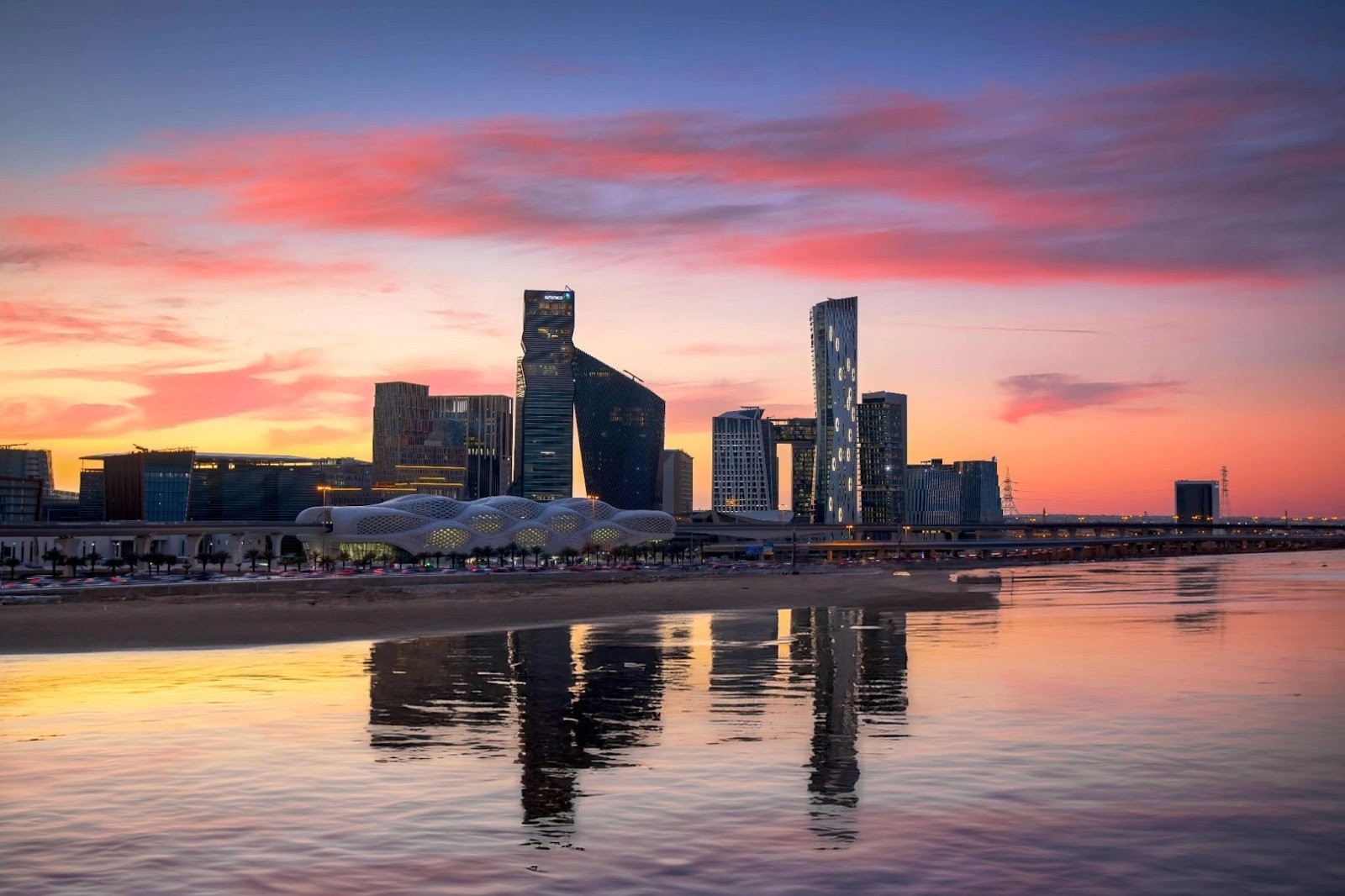
Economic Impact and Long-Term Vision
The projected economic impact of Saudi Arabia's SEZ programme extends well beyond individual business incentives. By 2040, the zones are projected to:
Contribute $25.8 billion to GDP
Attract $22.4 billion in foreign direct investment
Generate $94.1 billion in exports
Create approximately 166,000 new jobs
These figures reflect the scale of Saudi Arabia’s ambitions. Together, these figures signal a structural transformation, one that empowers the private sector, strengthens global trade integration, and nurtures innovation-driven growth.
Key Takeaways
Saudi Arabia's SEZ programme represents one of the most structured and incentive-rich investment frameworks in the region today. For global investors, the message is clear: the Kingdom is open for business, equipped with competitive incentives and ready to support sustainable growth.
Saudi Arabia's SEZs stand as a compelling gateway for global investment, combining tax advantages, regulatory flexibility, and strategic geography. Together, they form a cornerstone of a thriving, diversified future under Vision 2030.
Industry Insights
Professional Development

Table of Contents
Frequently Asked Questions
How many zones are there in Saudi Arabia?
There are 13 regions in Saudi Arabia, each with its own capital city strategically positioned across the Kingdom. The country is also divided into 13 administrative regions, forming the broader geographic framework within which these zones operate.
What is Ceda Saudi Arabia?
The Council of Economic and Development Affairs (CEDA) is a legal authority that deals with all economic and developmental matters in Saudi Arabia. Established by Royal Decree in 2015, it helps shape the broader national strategies, including Vision 2030, that the SEZ programme is built upon.
What are the 5 main economic indicators?
The five main economic indicators are GDP growth rate, interest rate, inflation rate, unemployment rate, and trade balance. Saudi Arabia's SEZ programme directly targets several of these through GDP diversification, export growth, and job creation.
What are the 5 Giga projects in Saudi Arabia?
NEOM, Qiddiya, Red Sea Global, ROSHN Group, and Diriyah are the five major gigaprojects in Saudi Arabia focused on achieving its goals under Vision 2030. Alongside the SEZ programme, they form a unified national push to diversify the economy and attract global investment.
What are the 4 types of economies?
Command economy, a market economy, a mixed economy, and a traditional economy. Saudi Arabia operates as a mixed economy, where initiatives like the SEZ programme bring government strategy and private sector investment together.
Related Articles
Shareek Program Marks New Era for Saudi Private Sector
Industry Insights
Professional Development
Coworking Space
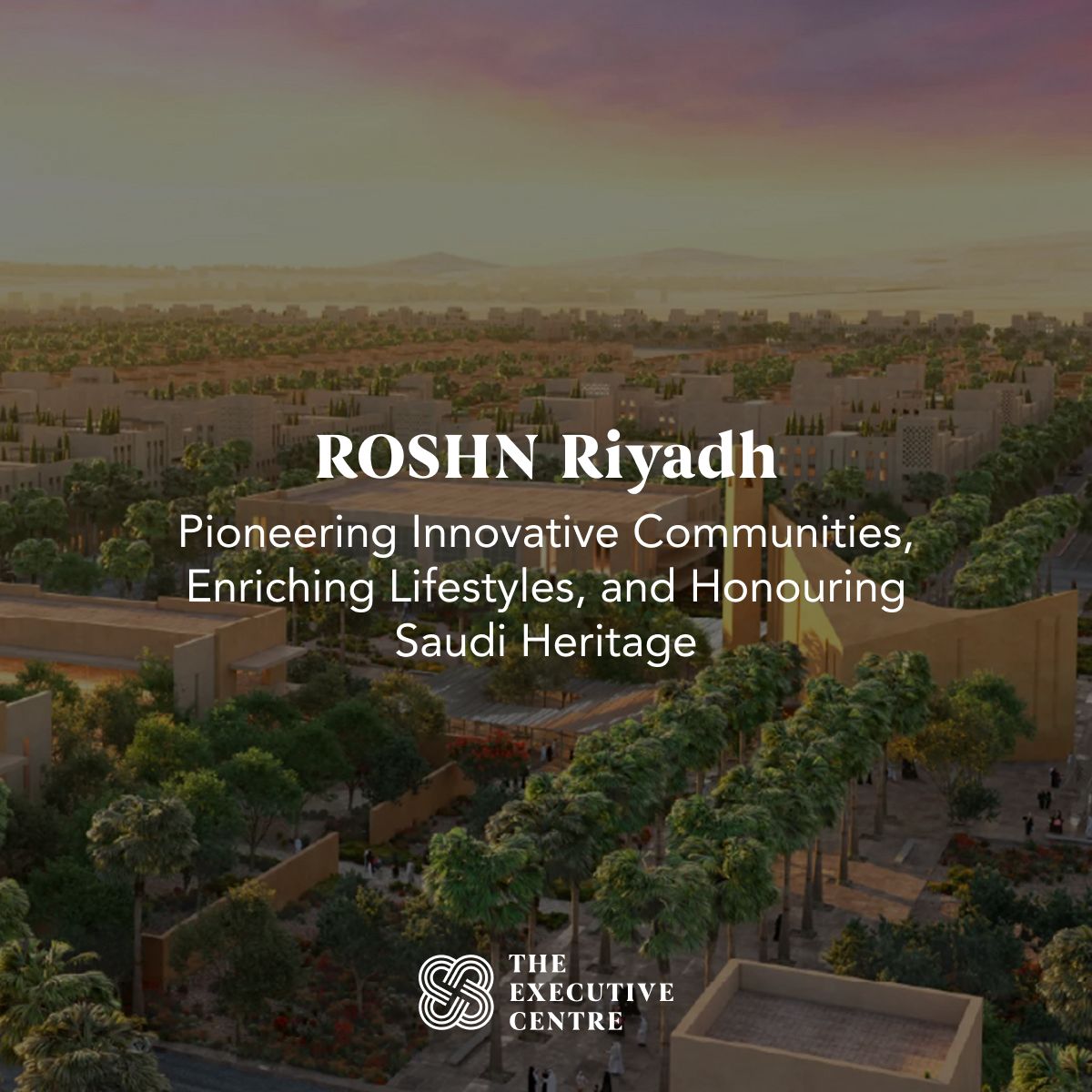
ROSHN Riyadh: Bridging Innovation & Community in Saudi Housing
Industry Insights
Sustainability
Meeting and Events

Discovering the Diriyah Project: History, Vision & Transformation
Industry Insights
Lifestyle
Community News

Oxagon NEOM: Redefining Industry and Innovation on the Red Sea
Industry Insights
Sustainability