Alat Saudi Arabia: A Global Manufacturing Hub Using Clean Energy
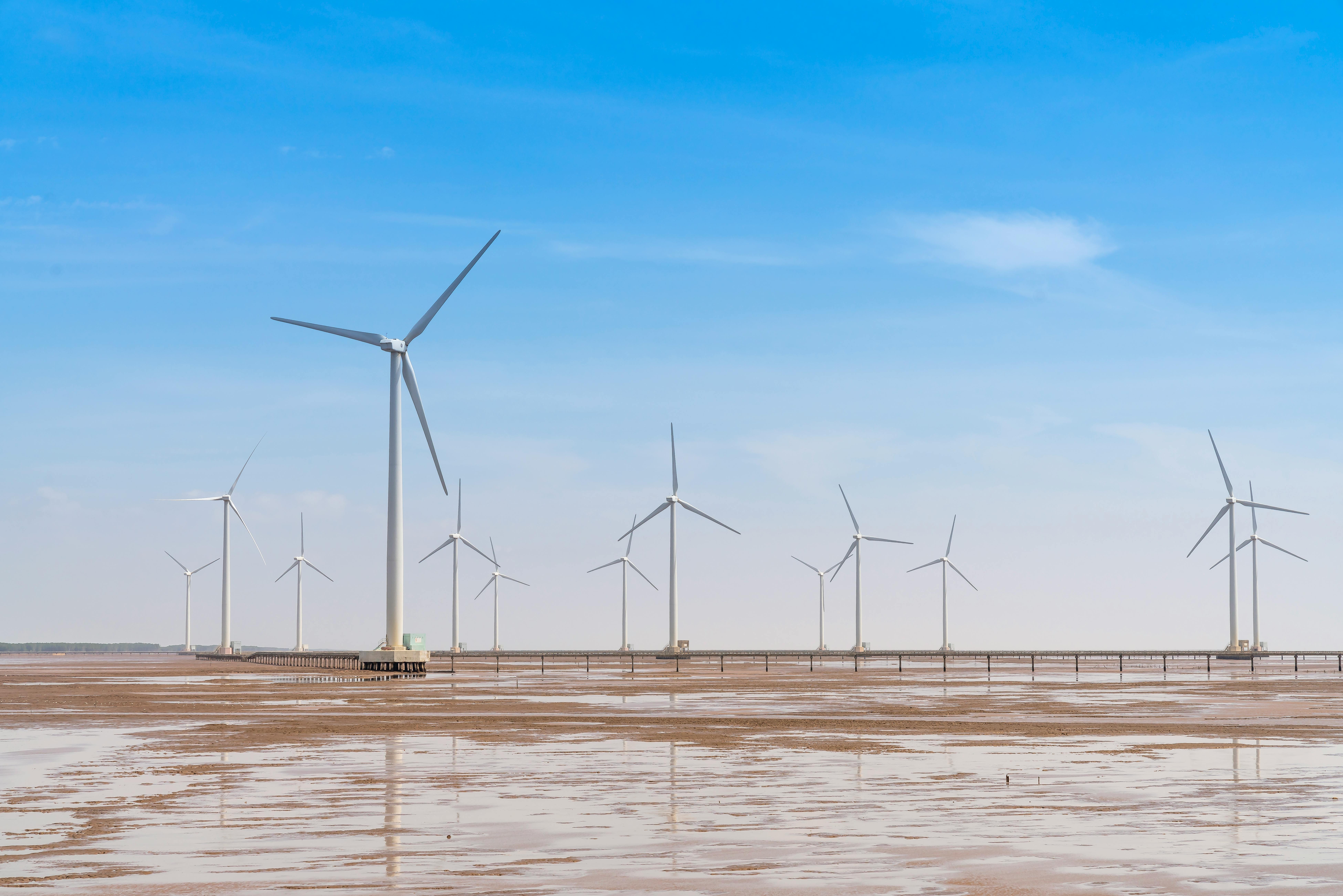
The global industrial landscape is undergoing a structural shift driven by the dual requirements of technological sovereignty and decarbonisation. Saudi Arabia has positioned itself at the centre of this transition through the launch of Alat.
Established in 2024 by His Royal Highness Prince Mohammed bin Salman bin Abdulaziz Al Saud, Crown Prince and Prime Minister, Alat is a Public Investment Fund (PIF) company tasked with transforming the Kingdom into a global hub for electronics and advanced industrials.
Unlike traditional industrial initiatives, Alat is built on a mandate of sustainability. The company integrates the Kingdom’s vast renewable energy resources with high-tech manufacturing to create a carbon-neutral industrial ecosystem. This strategy aligns with Saudi Vision 2030 goals of economic diversification and the national ambition to achieve net zero by 2060.
Strategic Business Units: The Pillar of Alat
Alat operates through nine specialised business units (BUs) that address the entire value chain of modern technology. Each unit is designed to foster a domestic "Saudi Made" ecosystem while ensuring global competitiveness through high-tech innovation.
1. Semiconductors
The Semiconductor unit is the backbone of Alat’s technological ambitions. Led by industry veterans, it focuses on the design and production of high-performance chips in three key areas: Power, Perception, and Processing. These chips are essential for everything from consumer electronics to advanced industrial systems, securing the Kingdom’s role in the global silicon supply chain.
2. AI Infrastructure
Launched to meet the surging global demand for energy-efficient computing, this unit manufactures the hardware necessary for AI deployment. Key products include:
Network & Communication Equipment: High-speed infrastructure for data transfer.
Servers & Storage: Data centre solutions designed for green energy environments.
Industrial Edge Servers: Computing power for "Industry 4.0" and smart factories.

AI will power the next era of industry in Saudi Arabia, and through Alat, it will accelerate the ambitions of Vision 2030
3. Electrification
This unit focuses on technologies that support the global energy transition. It aims to strengthen grid technology to handle the exponential growth of electricity produced by solar, wind, and green hydrogen. Its primary focus includes transmission and distribution technologies, as well as hydrogen generation and compression systems.
4. Smart Devices
The Smart Devices unit localises the manufacturing of personal and enterprise computing. This includes laptops, tablets, and mobile devices. By integrating AI and automated assembly lines, as seen in the Lenovo collaboration, Alat ensures these devices are produced with a 70–80% automation rate, reducing costs and carbon footprints.
5. Smart Health
Alat is revolutionising healthcare through five key specialisations:
Minimal-invasive surgery tools.
Diabetic and hearing care devices.
Orthopaedics and mobility solutions.
Smart therapeutic devices.
Laser and aesthetic equipment. This unit provides real-time data monitoring to enhance preventative care and medical efficiency.
6. Advanced Industrials
Operating at the intersection of heavy machinery and electrification, this unit focuses on construction and mining equipment. Developing components that transition from fossil fuels to electric power supports the decarbonisation of heavy industry while enhancing local industrial capacity.
7. Next-Gen Infrastructure
This unit addresses the physical hardware of future cities. It delivers a comprehensive suite of products, including 5G network equipment, EV charging stations, and battery storage solutions. It bridges the gap between digital enhancement and physical infrastructure.
8. Smart Buildings
Focusing on efficiency and sustainability, the Smart Buildings unit develops solutions that converge innovation with energy management. This includes high-tech safety and surveillance systems, as well as energy-efficient climate control systems designed for extreme environments.
9. Smart Appliances
This unit transforms domestic and commercial spaces into connected, intelligent environments. It focuses on state-of-the-art appliances that utilize Internet of Things (IoT) technology to reduce energy consumption while providing a superior digital experience.
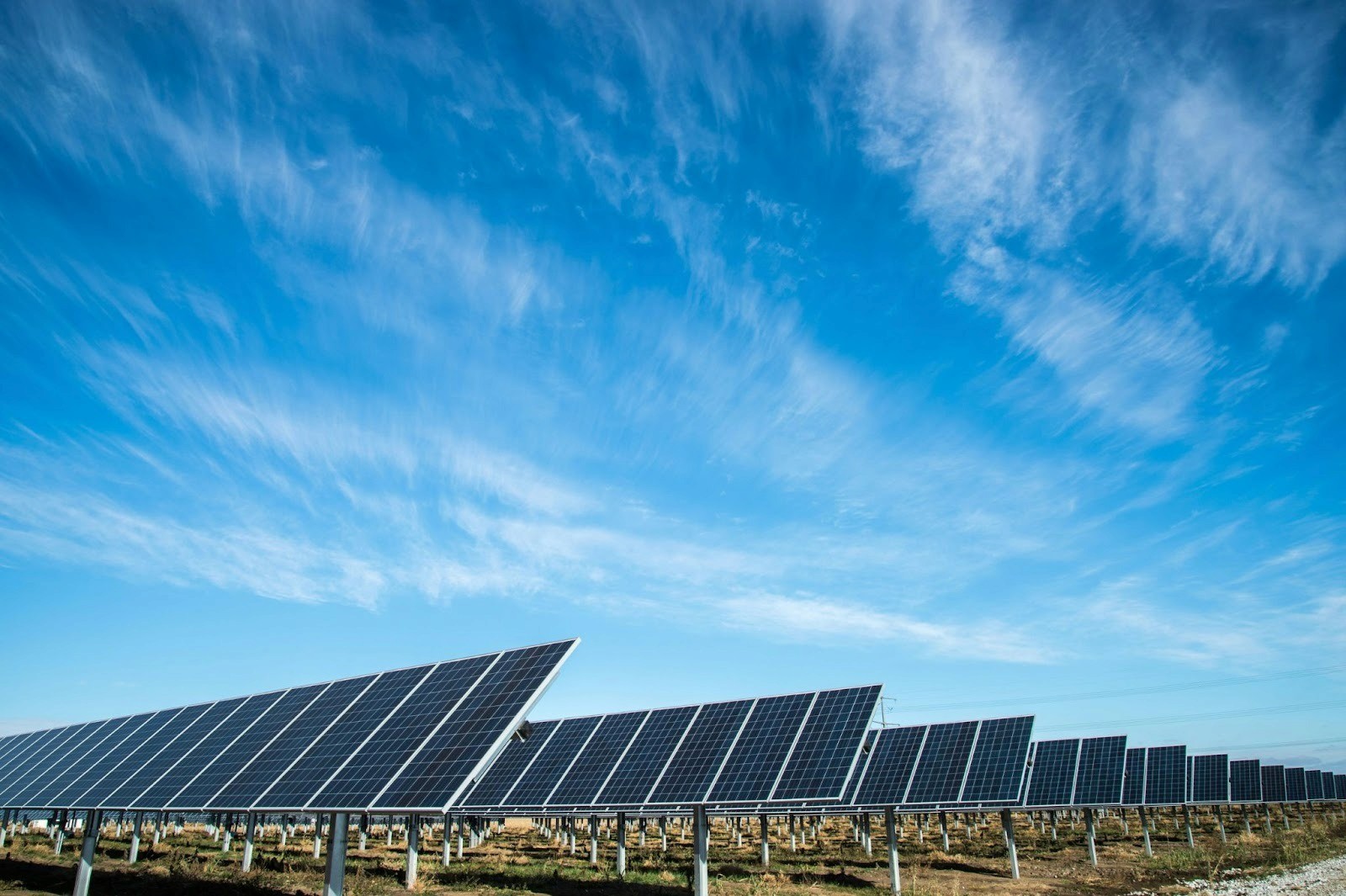
Alat is pioneering the future of sustainable industry, leveraging solar, wind, and green hydrogen to power a new era of clean energy manufacturing.
Operational Execution and Governance
Alat moves from strategy to reality through a $100 billion investment plan by 2030. To support these BUs, Alat utilises the Special Integrated Logistics Zone (SILZ) in Riyadh, where large-scale manufacturing facilities are currently being established. These hubs enable international companies to produce goods with near-zero carbon emissions by leveraging the Kingdom’s competitive clean-energy costs.
To ensure long-term viability, Alat is the first company in Saudi Arabia to implement specific ISO indicators for organisational governance, validated by BSI Group and TUV Rheinland. This framework ensures that growth is measurable, sustainable, and transparent for global stakeholders.
Socio-Economic Impact
The impact of Alat extends beyond industrial output. By focusing on high-tech sectors like semiconductors and AI infrastructure, the company is fostering a culture of research and development (R&D). The creation of 39,000 direct jobs represents a significant opportunity for the Saudi workforce in highly technical fields. Through international partnerships, Alat facilitates a massive transfer of knowledge, empowering local engineers to lead future industrial innovation.
The Clean Energy Advantage
Alat leverages Saudi Arabia's competitive solar and wind resources to power its manufacturing hubs. This offers international partners a way to produce goods with a significantly lower carbon footprint. This focus on sustainability is a commercial advantage; as global markets demand low-carbon products and transparent ESG reporting, Alat provides a "green manufacturing" solution that is difficult to replicate at scale. This allows the Kingdom to export "Saudi Made" products that are both technologically advanced and environmentally sustainable.
Key Takeaways
Sustainability: Every manufacturing process is powered by clean energy, supporting the 2060 Net Zero target.
Economic Impact: Targets a $9.3bn non-oil GDP contribution and 39,000 direct jobs by 2030.
Technological Sovereignty: Focus on semiconductors and AI hardware ensures a resilient domestic supply chain.
Global Hub: Offers international firms a carbon-neutral manufacturing solution at the heart of the G20’s fastest-growing economy.
Professional Development
Community News

Table of Contents
Frequently Asked Questions
Who is the CEO of Alat?
Amit Midha is the CEO of Alat, a Public Investment Fund–owned company focused on advancing Saudi Arabia's industrial transformation and digital future.
How do local Saudi companies register as suppliers?
Businesses must register via the PIF Vendor Gate. You will first submit a "Register Your Interest" form. If your capabilities match Alat’s requirements for quality and sustainability, you will be invited to the formal accreditation process.
Can international experts and non-Saudis apply for roles?
While the "Fresh Graduate Programme" is exclusive to Saudi nationals, Alat’s Experienced Professional track is open to global talent. The company actively recruits international experts in engineering, AI, and sustainable manufacturing to foster knowledge transfer.
Related Articles
Shareek Program Marks New Era for Saudi Private Sector
Industry Insights
Professional Development
Coworking Space
ROSHN Riyadh: Bridging Innovation & Community in Saudi Housing
Industry Insights
Sustainability
Meeting and Events

Discovering the Diriyah Project: History, Vision & Transformation
Industry Insights
Lifestyle
Community News

Oxagon NEOM: Redefining Industry and Innovation on the Red Sea
Industry Insights
Sustainability