How to Choose a Function Hall: Key Considerations for Work Events

Key Takeaways
Successful event planning begins with a function hall that aligns with your objectives, audience needs and the type of experience you want to create.
Factors such as accessibility, room flexibility, technical support and available services can influence the overall success of a corporate gathering.
Reviewing booking terms, inclusions and event venue capabilities in advance helps ensure a smoother planning process.
Choosing the right function hall is an important part of planning a successful corporate event. From conferences and product launches to training sessions and networking gatherings, the venue plays a key role in shaping the attendee experience, supporting your objectives and ensuring the event runs smoothly.
With factors such as location, capacity, technology and available facilities to consider, evaluating your options carefully can help you find a space that matches your event requirements.
Define Your Event Objectives
Before selecting a function or conference hall, identify the purpose of your gathering and what you want to achieve. Understanding them will help you choose an event space with the right layout, facilities and services to support your plans.
Consider:
Is it a conference, seminar, workshop or networking event?
Will presentations, demonstrations or panel discussions take place?
Do you require areas for collaboration or breakout sessions?
Will catering and refreshments be needed?
Will external speakers, partners or exhibitors be attending?
Having a clear brief makes it easier to compare and narrow down your options.

Prioritise Location and Accessibility
A convenient venue can improve attendance and create a positive first impression for guests. The hall should be easy to reach, whether attendees are travelling locally or arriving from other cities.
When assessing the location, consider:
Access to public transport
Nearby road connections
Parking availability
Proximity to hotels
Surrounding restaurants and amenities
Distance from key business districts or commercial areas
Ease of navigation for first-time visitors
Accessibility features for guests with mobility requirements
A well-located function hall reduces travel challenges, helps guests arrive comfortably, and supports a smoother experience throughout the event.
Consider Capacity and Room Layout
The size and arrangement of the space should complement your guest list and event activities. A floor plan that is too small may feel restrictive, while an oversized room can affect the atmosphere.
Check whether the function hall can accommodate different seating, such as:
Theatre-style for presentations
Boardroom layouts for discussions
Classroom setups for training sessions
Banquet planning for formal occasions
If your schedule includes multiple activities, a flexible installation allows it to be adapted throughout the day.
Assess Technology and AV Facilities
Digital solutions are essential for modern work gatherings, particularly for presentations, hybrid meetings, and interactive sessions. Reliable equipment and connectivity help minimise disruptions and keep programmes running smoothly.
Before booking, confirm whether the venue provides:
High-speed Wi-Fi
Presentation screens or projectors
Professional sound systems
Wireless microphones
Video conferencing facilities
Live streaming capabilities
Accessible charging points
It is also worth checking if technical assistance is available during the event to support any equipment requirements.
Evaluate Available Infrastructure and Services
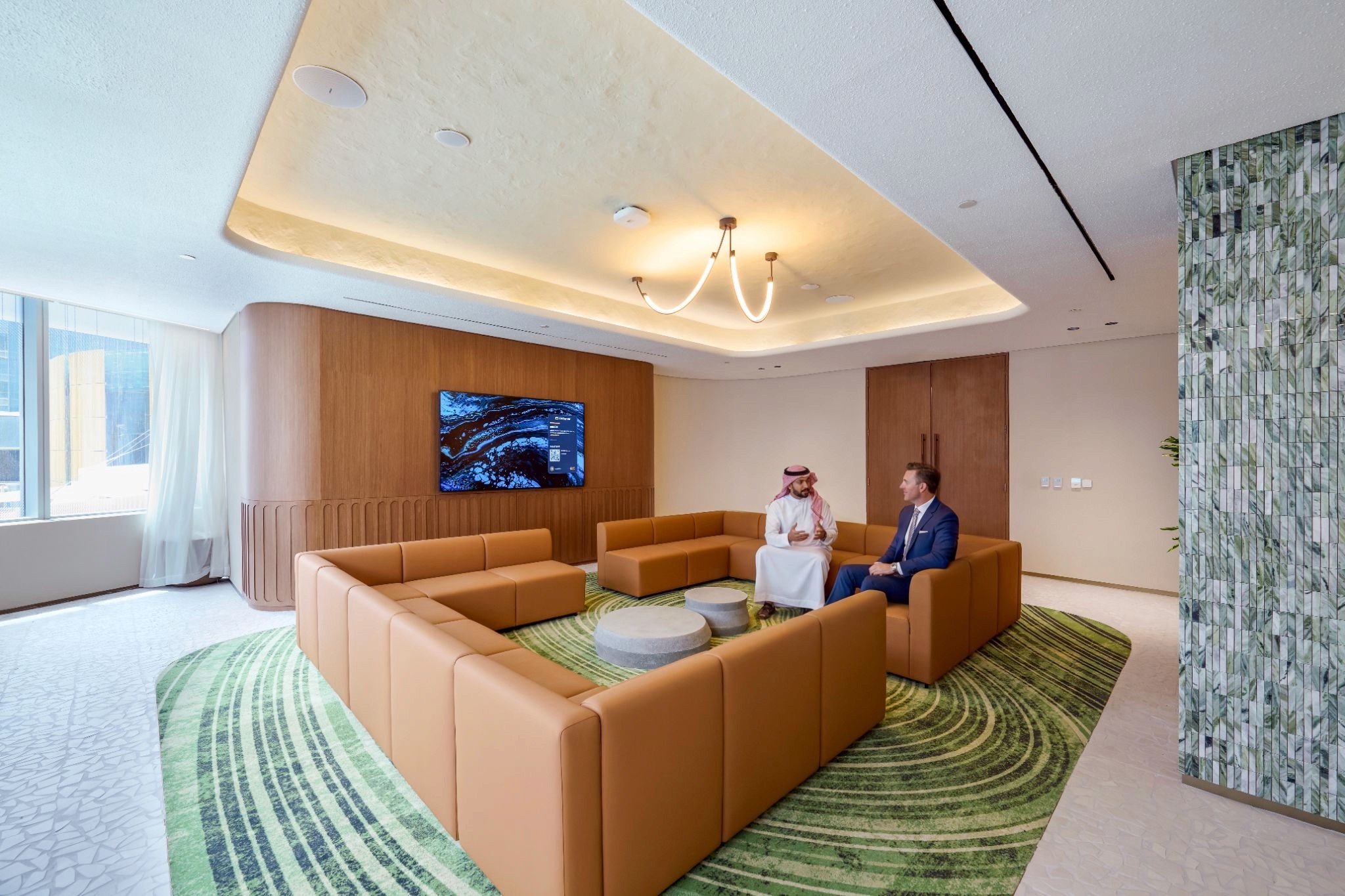
A function hall should provide the practical support needed to manage an event effectively. Additional amenities can enhance comfort, improve convenience, and help organisers coordinate arrangements easily.
Useful features may include:
Reception and registration areas
Catering options
Majlis for praying
Business lounges
Dedicated event support teams
These facilities help create an overall smooth experience, from attendee arrival through to the conclusion of the occasion.
Review Catering Choices
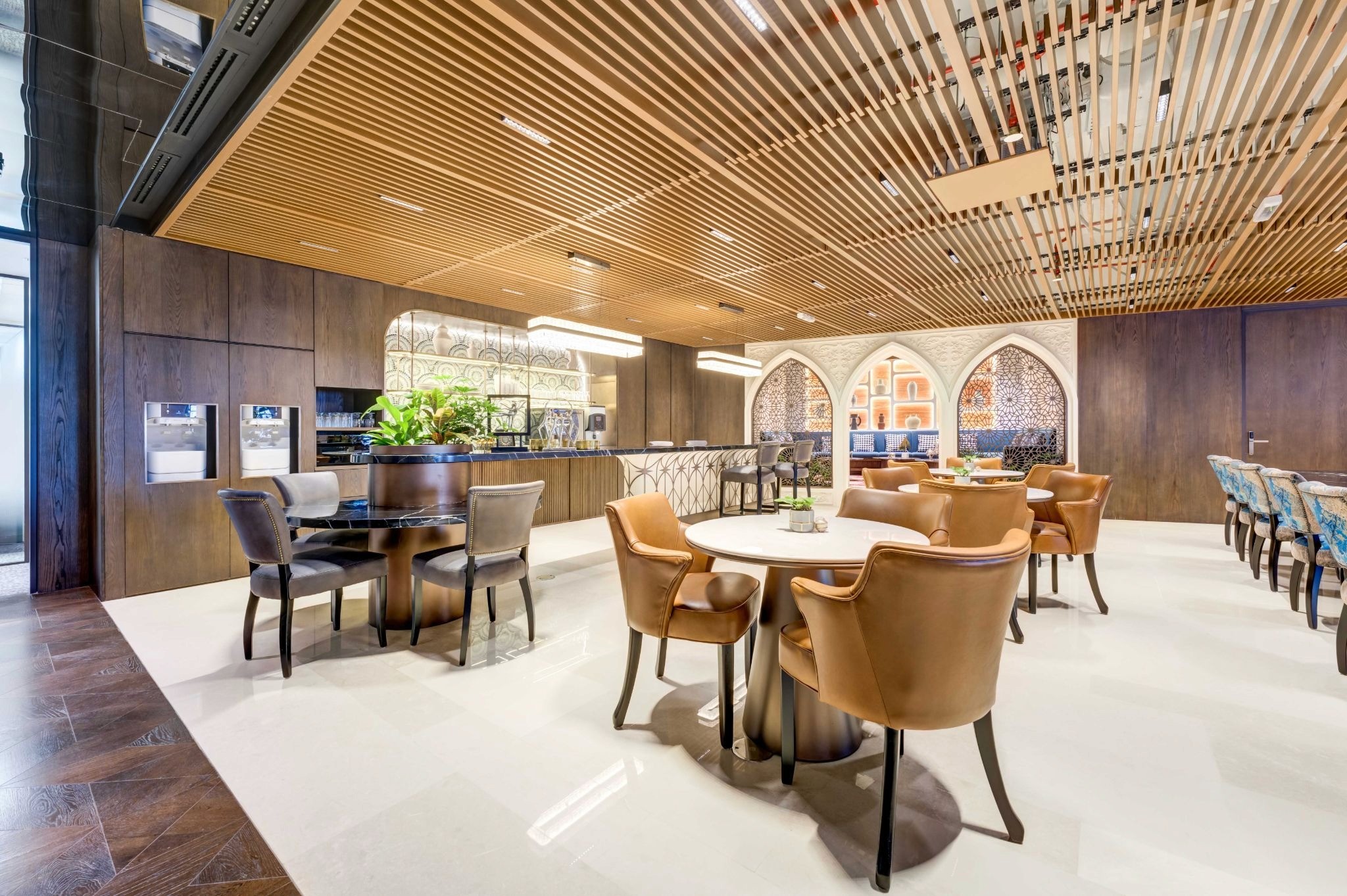
Food and refreshments are an important consideration, especially for full-day conferences, workshops and networking sessions. The right arrangement helps maintain guest comfort and engagement throughout the programme.
Before confirming a venue, ask:
Are catering services available on-site?
Can menus be customised?
Are dietary requirements accommodated?
Is external catering permitted?
Are refreshments included in the package?
Understanding the available options ensures they match your event format and attendee expectations.
Look for a Flexible Function Hall
Event requirements can change during the planning process, so choose an option that allows you to adjust as needed with less disruption.
Consider whether the space provides:
Adaptable room layouts
Additional breakout areas
Flexible booking hours
Branding opportunities
Support with event set-up and dismantling
A versatile venue allows you to change plans while maintaining a professional experience for attendees.
Understand the Costs and Inclusions
Before confirming your booking, review what is included in the package. Comparing based only on the initial hire price may not provide a complete picture of the overall cost.
Clarify whether the booking covers:
Furniture and seating
Audio-visual equipment
Internet access
Event set-up and dismantling
Cleaning services
Security support
Parking facilities
A detailed breakdown helps you plan your budget and avoid unexpected expenses.

Consider Reservation Timelines
Popular venues can be booked well in advance, particularly during busy periods for conferences, corporate gatherings and industry events.
Securing your preferred date at the outset gives you more flexibility and allows additional time to coordinate speakers, suppliers and attendees.
A Checklist for Choosing the Right Event Venue
What is the maximum guest capacity?
Can the layout be customised to suit the event format?
Which AV equipment is included in the booking?
Is technical support available during the event?
What catering options are available?
Are parking facilities provided for attendees?
Is high-speed Wi-Fi available?
What are the cancellation and rescheduling policies?
Are there any additional charges to consider?
Final Thoughts
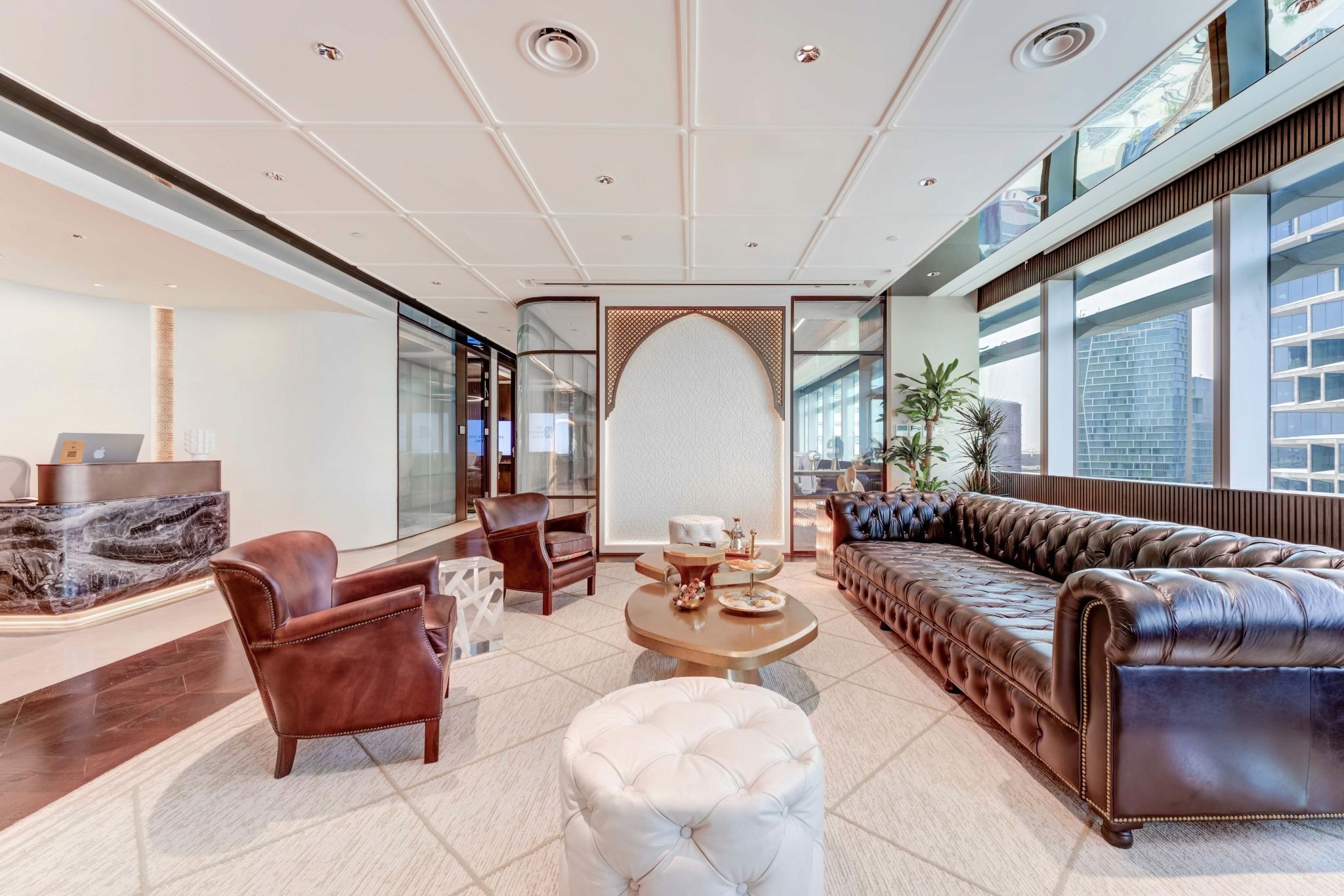
The ideal function hall should do more than accommodate your guest list. It should support your objectives, offer the required facilities, and provide a welcoming atmosphere for attendees.
By evaluating key factors such as location, capacity, technology, catering and adaptability, you can select an event venue that enhances the occasion and leaves a lasting impression on participants.
Meeting and Events

Ketan specialises in flexible office solutions across the UAE and Saudi Arabia. With a background as VP at Barclays leading strategic transformation and flex office initiatives, he brings deep knowledge in corporate real estate and business growth across the region.
Table of Content
Frequently Asked Questions
What should I consider when planning the seating arrangement?
The seating style should match the purpose of the gathering. Presentations may require theatre-style seating, while workshops, discussions, or networking sessions may benefit from layouts that encourage interaction.
Which seating arrangement works best for training sessions?
A classroom-style layout is commonly used for training sessions as it provides attendees with table space for note-taking, materials and interactive exercises.
What is the difference between a function hall and a meeting room?
A function hall is generally designed for larger gatherings and can accommodate more attendees, while meeting rooms are typically intended for smaller discussions, private meetings and focused sessions.
How to encourage interaction during a conference or seminar?
Include opportunities for audience participation through panel discussions, question-and-answer sessions, group activities and dedicated networking periods. A layout that supports visibility and communication can also improve engagement.
How long should each session be in a corporate event agenda?
Session length depends on the format and audience. Shorter presentations with interactive elements often help maintain attention, while workshops and discussions may require longer time slots.
Related Articles
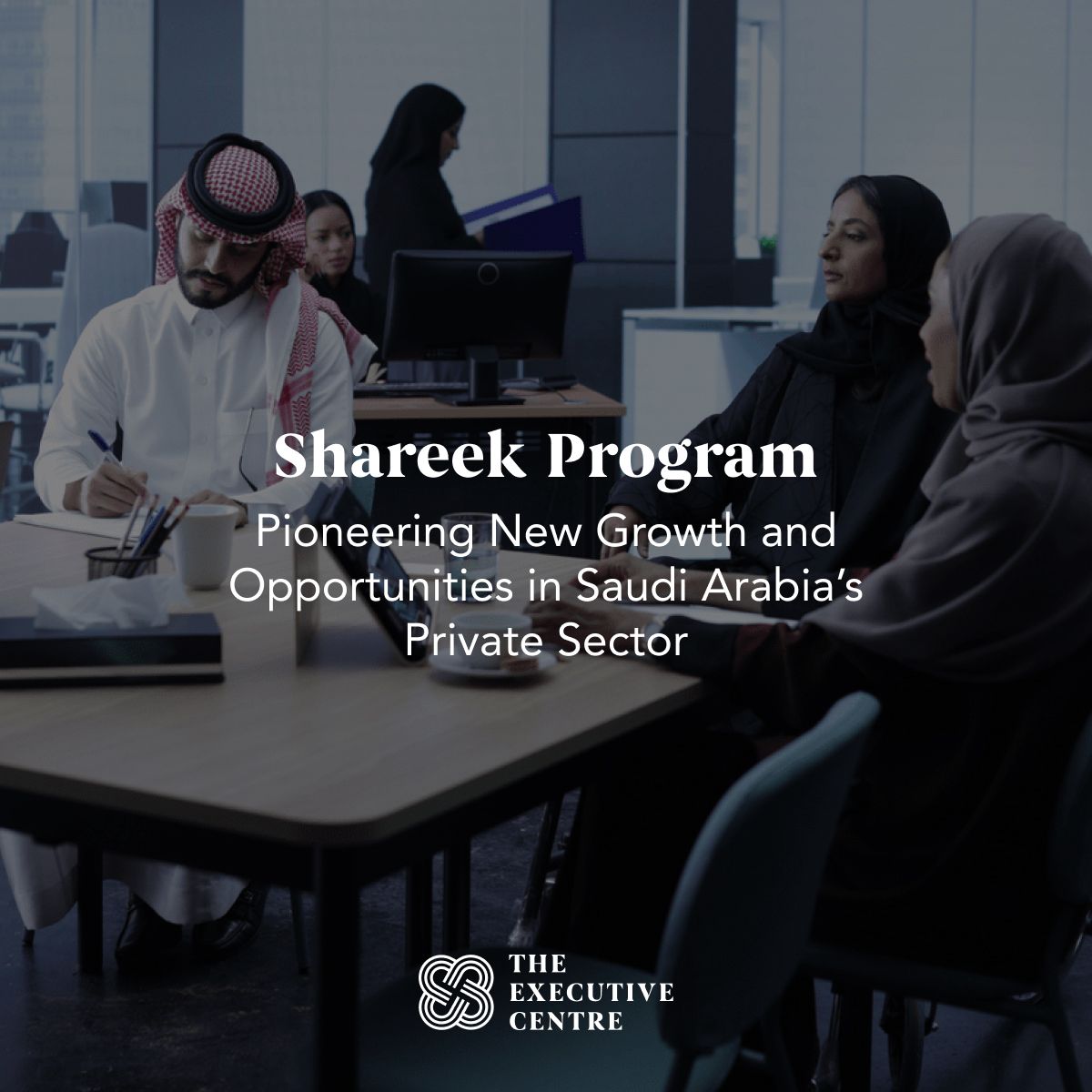
Shareek Program Marks New Era for Saudi Private Sector
Industry Insights
Professional Development
Coworking Space

ROSHN Riyadh: Bridging Innovation & Community in Saudi Housing
Industry Insights
Sustainability
Meeting and Events

Discovering the Diriyah Project: History, Vision & Transformation
Industry Insights
Lifestyle
Community News

Oxagon NEOM: Redefining Industry and Innovation on the Red Sea
Industry Insights
Sustainability