KAFD Metro Station: Game-Changer for Businesses in the Area

Key Takeaways
KAFD Metro Station is now operational, serving the Blue, Yellow, and Purple Riyadh Metro lines.
The Yellow Line connects the station directly to King Khalid International Airport, improving accessibility for local and international visitors.
The wider mobility network includes the metro, climate-controlled skywalks, shuttle services, and a developing internal monorail system.
The Riyadh Metro is now fully operational, marking a major development in the capital’s public transport network. The six-line system began its phased opening in December 2024, with the final Orange Line opening on January 5, 2025.
Spanning approximately 176 kilometres, the network connects residential areas, commercial districts, business centres, educational institutions, and King Khalid International Airport.
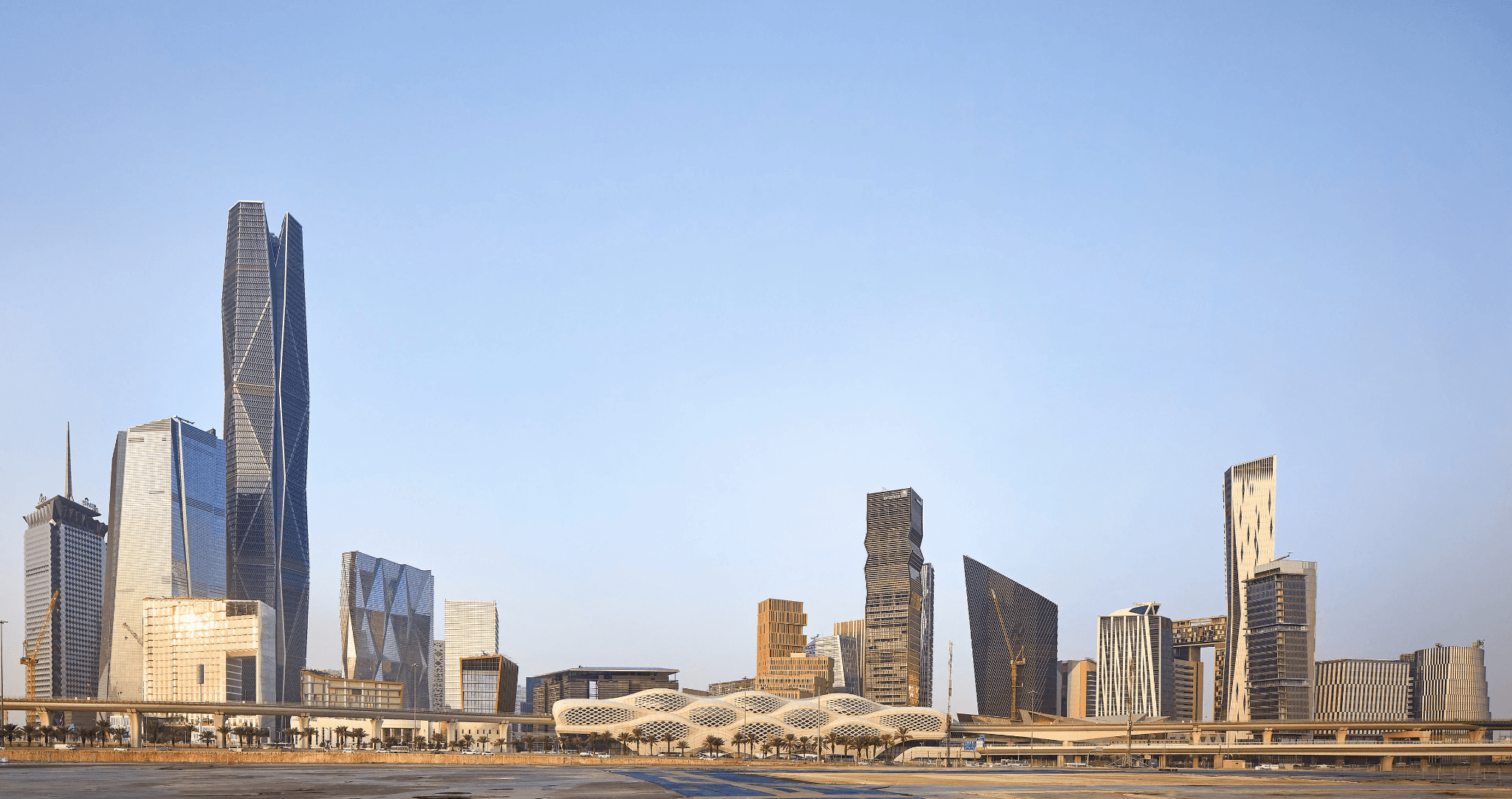
For businesses in King Abdullah Financial District, the KAFD Metro Station is particularly significant. Located at the heart of the financial district, the station serves three metro lines and provides convenient connections to key parts of Riyadh, including the airport.
Purpose Behind the Riyadh Metro System
The Riyadh Metro was developed to support the capital’s rapid growth towards Vision 2030, improve public transport, and reduce reliance on private vehicles. Its six automated lines form an integrated network connecting major residential, commercial, and institutional areas across the city.
With all six lines now operational, the system has moved from a major infrastructure project to an established part of Riyadh’s daily transport network.
For businesses, improved public transport connectivity can make offices more accessible to employees, clients, and visitors travelling from different parts of the city. This is particularly relevant to one of the capital’s leading business and financial districts.
About the KAFD Metro Station
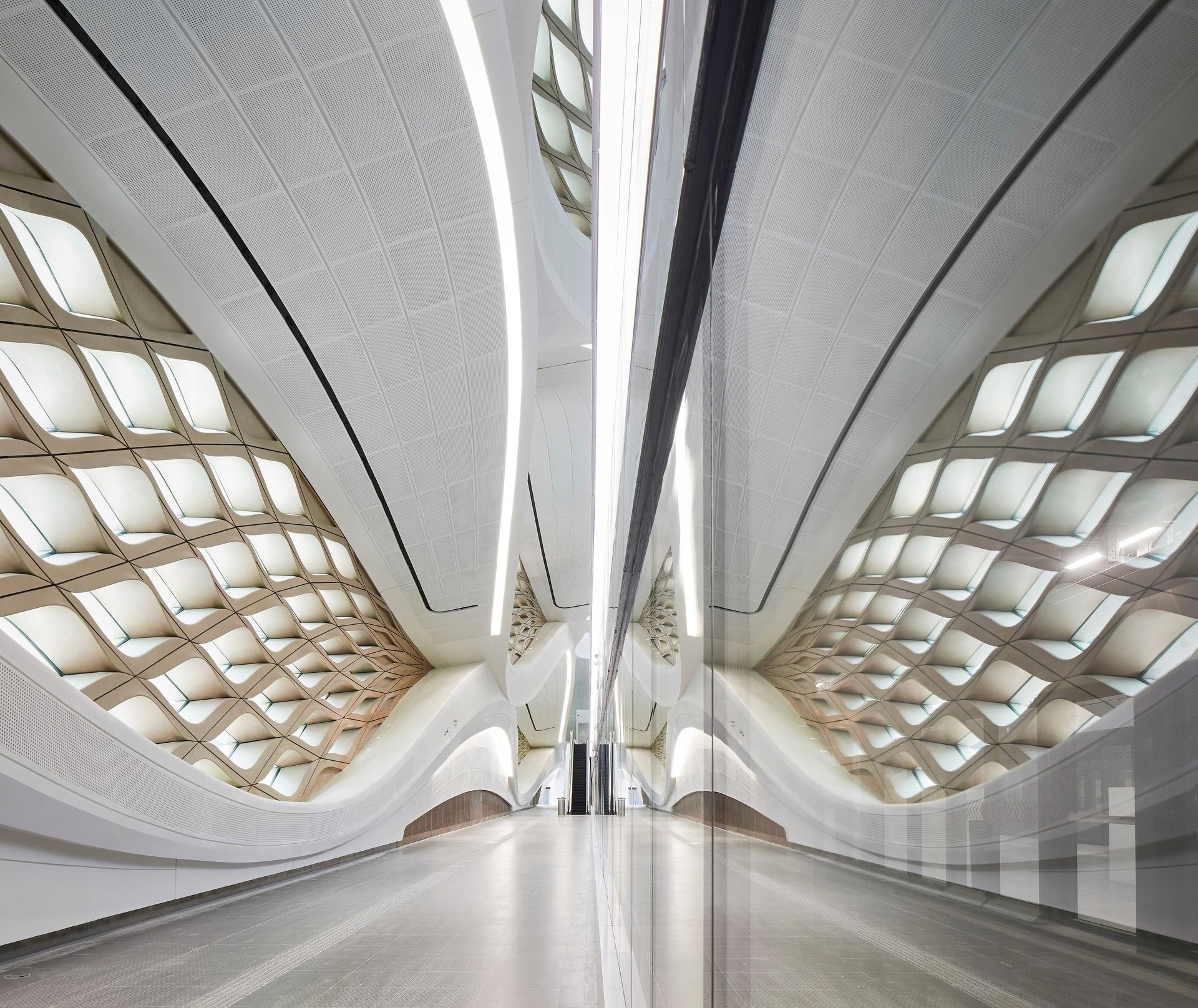
Located in the heart of King Abdullah Financial District, the station is one of the key interchange points on the Riyadh Metro network. Designed by Zaha Hadid Architects, it combines distinctive architecture with a strategic location within the financial centre.
It serves three Riyadh Metro lines:
Blue Line (Line 1): Connects the area with key destinations, including Al Olaya and Al Batha.
Yellow Line (Line 4): Provides a direct connection to King Khalid International Airport.
Purple Line (Line 6): Connects the district with eastern areas of Riyadh, including An Naseem.
The station is also part of a wider mobility network that includes shuttle services and pedestrian infrastructure designed to make movement around the area more convenient.
According to KAFD, the station serves more than 100,000 users daily, highlighting its importance to the district’s growing workforce, visitors, and residents.
The Value of Proximity to Public Transportation for Businesses
With the station now operational, companies based in the financial district have direct access to Riyadh’s wider public transport network. Its position as an interchange between three metro lines makes commuting more convenient for employees and visitors travelling from different parts of the city.
Broader Talent Pool
Easy access to public transportation can help businesses reach a wider pool of professionals. Employees travelling from different parts of Riyadh have an alternative to driving, making a centrally located workplace more practical for daily commuting. For companies competing for skilled talent, accessibility can also contribute to the overall appeal of a workplace.
Cost-Effective Commuting
Using public transport provides employees with an alternative to driving, potentially reducing dependence on private vehicles and associated costs such as fuel, maintenance and parking.
This can be particularly relevant in a busy commercial district, where parking and road congestion can affect the daily commute.
Reduced Commuting Stress
A more accessible commute can help employees spend less time navigating traffic and more time outside the workplace. For those who prefer public transport, having a metro station nearby provides a practical alternative to driving during busy periods. A convenient journey to and from work can also contribute to a more balanced working routine.
Easy Accessibility for Clients and Partners
Being close to a major public transport interchange can make it easier for clients, partners, and visitors to reach businesses in the area.
The Yellow Line’s direct connection to King Khalid International Airport is particularly useful for visitors travelling to Riyadh. Connections to other metro lines also provide convenient access from different parts of the city.
This accessibility can support companies that regularly host meetings, client visits, and networking activities.
The District’s Expanding Mobility Network
The metro is part of a broader mobility strategy within the financial district. Public transport is complemented by shuttle services and pedestrian infrastructure designed to improve connections between buildings and destinations.
The climate-controlled skywalk network extends approximately 15.46 kilometres and connects 95 buildings. It was recognised by Guinness World Records in 2025, reflecting the scale of the area’s pedestrian infrastructure.
An internal transit system is also being developed. The planned monorail will span approximately 3.6 kilometres with six stations, connecting key locations across the district. In 2025, the development announced the reactivation of the transit system, meaning the monorail should not currently be described as an operational service.
Together, these transport initiatives are designed to improve movement within the area while strengthening its connections with the wider city.
What the Metro Means for Businesses
The opening of the KAFD Metro Station has strengthened the district’s position as one of Riyadh’s most accessible business destinations. With three metro lines serving the station and a direct airport connection, companies can benefit from easier access for employees, clients, and visitors.
As the area continues to expand its transport and pedestrian infrastructure, connectivity will remain an important part of its development as a major financial and commercial centre in Riyadh.
Sustainability
Community News

Table of Contents
Frequently Asked Questions
Which Riyadh Metro lines stop at KAFD Metro Station?
The station is served by three lines: the Blue Line (Line 1), Yellow Line (Line 4), and Purple Line (Line 6), making it one of the network’s key interchange points.
Can you travel from KAFD Metro Station to King Khalid International Airport?
Yes. The Yellow Line provides a direct metro connection between the financial district and King Khalid International Airport, offering a convenient option for employees, clients, and visitors travelling by air.
How many people use KAFD Metro Station each day?
KAFD Metro Station serves more than 100,000 users daily, according to KAFD, reflecting its role as one of Riyadh’s largest metro hubs.
Is the KAFD monorail currently operational?
No. The planned 3.6-kilometre internal monorail is part of the district’s developing transport infrastructure. Its reactivation was announced in 2025, but it should not currently be described as an operational passenger service.
How does the metro connect with other transport infrastructure?
The station forms part of a wider mobility network that includes shuttle services and a climate-controlled pedestrian skywalk system, helping connect buildings and destinations throughout the district.
Related Articles

The Opening of Riyadh Metro is Set to Improve Traffic and Transportation in KAFD
Sustainability
Community News

Driverless Monorail to Redefine Connectivity in KAFD
Industry Insights
Sustainability
Community News
KAFD Conference Center: Riyadh’s Premier Venue for Business Events
Community News
Meeting and Events

KAFD and Huawei Partner Up for Saudi's First Smart Wifi-7 Hub
Industry Insights
Community News