Made in Saudi Arabia: Powering the Kingdom’s Industrial Future
Saudi Arabia is rapidly redefining and transforming its economy to reduce dependence on oil and promote economic diversification. Made in Saudi Programme is a national campaign launched in March 2021 under the patronage of Crown Prince Mohammed bin Salman to support and promote locally manufactured products.
It is a cornerstone of Saudi Vision 2030 objectives, serving as a statement to reflect the country’s ambition to build global competitiveness, strengthen local industries, and elevate non-oil exports to 50 per cent of non-oil GDP by 2030.
By encouraging local or domestic production, boosting export potential, and fostering innovation, this initiative has reshaped the national economy and the overall global perception of Saudi products.
“The youth and energy of our country are allowing us to make incredible progress and outstanding success in many non-oil sectors.
The Made in Saudi program is a celebration of the technical innovation, creative talent, and business acumen that flows through our Kingdom.
Now is our time to build on this currency of domestic achievement and to share it with each other, throughout the region and around the globe.”
His Excellency, The Minister of Industry and Mineral Resources, Mr. Bandar bin Ibrahim Alkhorayef
Origins and Objectives
The Made in Saudi Programme was launched by the National Industrial Development and Logistics Program in partnership with the Saudi Export Development Authority as part of a wider strategy to diversify the Kingdom’s economic base.
The primary objective of the project is to create a unified national brand that supports local products and enhances their appeal both domestically and abroad. It aims to:
Support Saudi businesses in promoting their products nationally and internationally.
Build consumer confidence in locally made goods.
Enhance export capacity and attract foreign investment;
Elevate the reputation of Saudi industries on the global stage.
It also focuses on a broader economic ambition, creating a strong industrial identity that Saudi citizens can be proud of and can compete with global brands on equal terms. Besides this, it also hopes to position local products as the go-to choice, boosting private-sector growth and raising their contribution to GDP.
A Unified Brand and the SAUDI MADE Logo
One of the most recognisable elements of the Made in Saudi program is its unique logo. It is a national symbol that certified companies use to indicate and reflect that their products meet specified local criteria.
The logo serves as a strong benchmark of quality and authenticity, making it easier for customers to distinguish genuine Saudi products. It also provides consistency across the products, helping to promote customer trust and establish a positive global image.
Products bearing the mark are promoted under a single unified brand, helping businesses stand out in competitive markets and fostering collaboration across industries.
Strengthening Local Businesses and SMEs
One of the primary goals of the program is to empower local businesses, especially small and medium enterprises (SMEs), through greater visibility and easy access to key markets.
Companies participating in this initiative can benefit from:
Increased domestic and international exposure
Access to promotional campaigns and export forums
Networking opportunities with global buyers and trade partners
Collaborative support from public and private sector stakeholders
This strategic approach also goes a long way in contributing to the broader industrial ecosystem by fostering a more integrated, competitive market environment.
Boosting Exports and Economic Diversification
Increasing exports is one of the core pillars of the Made in Saudi project. By encouraging the production of national products and implementing export-oriented strategies, the project aims to diversify its income streams and, most importantly, reduce dependence on oil revenue.
This way, higher non-oil exports strengthen economic resilience, expand market access, and boost global trade links.
As of late 2025, products bearing the Made in Saudi logo have reached around 180 countries, with over 19,000 registered products from more than 3,700 companies. These stats highlight the programme’s expanding global footprint and its success in promoting Saudi brands internationally.
Encouraging Consumer Confidence
Locally, the Saudi Made offers a confident way for citizens and residents to choose products, while strengthening local supply chains and supporting economic stability.
The standard quality benchmarks under the project shift consumer purchasing patterns to favour national goods, supporting the overall economy and GDP. In the long run, this cultural shift will increase the demand for local products, stimulating local industries and reinforcing national pride. A robust domestic market can also serve as a platform for scaling products internationally.
Attracting Investment and Industrial Partnerships
The Made in Saudi Programme also plays an important role in attracting foreign investments. By showcasing the country’s industrial capabilities and establishing a unified framework for brand identity, international investors gain greater confidence to explore the potential of Saudi Arabia's manufacturing sector.
Strategic collaborations, such as participation in global trade events and exhibitions, provide Saudi companies with platforms to form international partnerships, secure export agreements, and access new supply chains. Such initiatives enhance the overall business climate and position Saudi Arabia as an emerging hub for manufacturing and innovation.
Innovation and Quality Standards
Beyond marketing, the initiative emphasises quality and competitiveness. Saudi products are increasingly adopting international standards and modern production techniques, which enhances their appeal on the global stage. Technical innovation is becoming a defining characteristic of the national industrial base, supporting higher value-added manufacturing sectors.
Strong regulatory frameworks and support from industry stakeholders help local producers improve product quality, meet international certification requirements, and compete effectively against established global brands.
Employment, Skills, and Long-Term Growth
Industrial growth also contributes to job creation and skills development. As companies expand production and enter international markets, demand for skilled workers in engineering, logistics, quality control, and management increases. This supports broader national goals to build a knowledge-based economy with opportunities for Saudi professionals.
Training programmes, partnerships with global firms, and investment in education all contribute to a workforce capable of sustaining long-term industrial development.
A Strategic Component of Vision 2030
The Made in Saudi Programme is a key mechanism for achieving the economic goals outlined in Vision 2030, particularly in terms of non-oil GDP contribution and private sector growth. Its ambition to move non-oil exports towards 50 per cent of non-oil GDP by 2030 underscores the central role of industrial expansion in the Kingdom’s future.
By supporting local industries and promoting national products internationally, the programme helps to reshape Saudi Arabia’s economic identity, from one traditionally seen as oil-centric to one recognised for diverse, high-quality manufacturing.
Key Takeaways
The Made in Saudi Programme represents a transformational initiative that extends far beyond branding. It reflects a national commitment to industrial excellence, economic diversification, and global competitiveness. Through a unified identity, enhanced export support, and collaborative engagement with local producers, the initiative helps position Saudi products as trusted and sought-after in global markets.
As the Kingdom continues to implement Vision 2030 reforms and strengthen its industrial foundation, Made in Saudi Arabia will remain a defining force in shaping a vibrant economic future, one built on innovation, quality, and global engagement.
Industry Insights
Professional Development
Community News

Table of Contents
Frequently Asked Questions
What are the top 3 exports of Saudi Arabia?
Crude petroleum, refined petroleum, and ethylene polymers are the top 03 exports in Saudi Arabia.
What are the requirements for Made in Saudi Arabia?
To be approved as a made-in-Saudi-Arabia product, it must have an added value of at least 40%, or its main components must be obtained entirely from within the Kingdom.
What are the new projects in Saudi Arabia 2026?
Giga projects such as NEOM, Qiddiya, the Red Sea Project, New Murabba, and Amaala will continue execution alongside the expansion of residential, infrastructure, transportation, and energy projects.
Which is the biggest project in Saudi Arabia?
NEOM, including The Line and Trojena in Tabuk, is the largest project in Saudi Arabia, with an estimated cost of $500 billion.
What is the designed in Saudi initiative?
It is a strategic initiative led by Saudi Arabia’s Architecture and Design Commission. It is a national program dedicated to developing the Kingdom's industrial design sector by empowering local designers and fostering an environment that supports their growth and capabilities.
Related Articles
Shareek Program Marks New Era for Saudi Private Sector
Industry Insights
Professional Development
Coworking Space
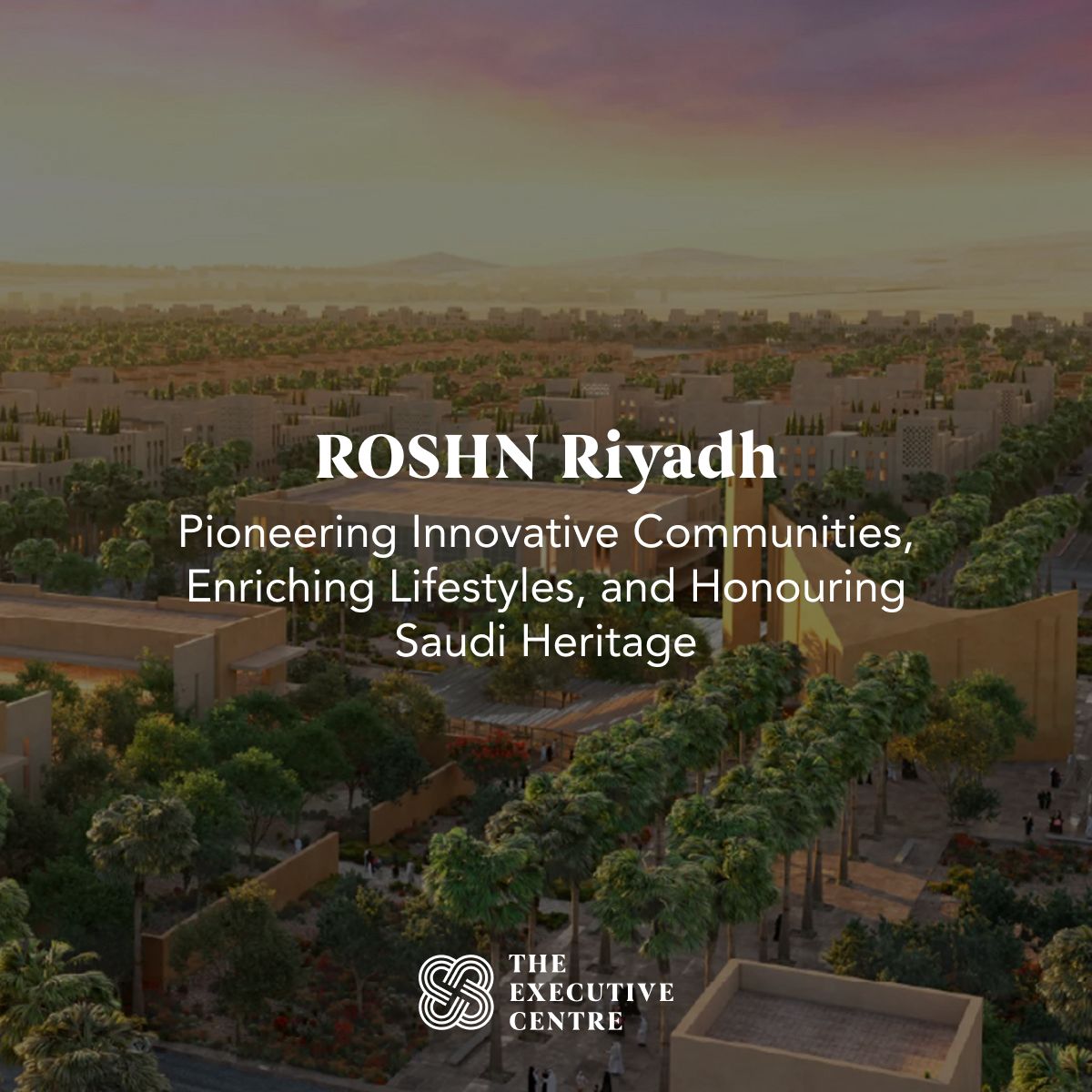
ROSHN Riyadh: Bridging Innovation & Community in Saudi Housing
Industry Insights
Sustainability
Meeting and Events

Discovering the Diriyah Project: History, Vision & Transformation
Industry Insights
Lifestyle
Community News

Oxagon NEOM: Redefining Industry and Innovation on the Red Sea
Industry Insights
Sustainability