10 Tips for Successful Business Networking Events

Key Takeaways
Define a clear purpose, invite the right people, and plan an agenda that promotes genuine professional interaction.
Create an environment that supports conversation through thoughtful layouts, engaging activities, and the right technology.
Maintain momentum after the gathering with timely follow-ups to strengthen new relationships and identify future opportunities.
Professional relationships are often built through meaningful conversations rather than formal meetings. Bringing together industry peers, clients, decision-makers and potential partners creates opportunities to exchange ideas, share expertise and establish valuable connections.
Whether you are organising a conference, networking reception or executive roundtable, thoughtful planning helps create an engaging experience that encourages participation and leaves a lasting impression. Here are 10 practical tips to help you host a successful business networking event.
1. Start with a Clear Purpose
Every successful occasion begins with a defined objective. Before arranging invitations or selecting a venue, decide what you want participants to gain from attending. Having a clear direction will influence every planning decision and make it easier to measure success afterward.
Common goals include:
Building new business relationships
Introducing a product or service
Sharing industry knowledge
Strengthening existing partnerships
Generating future opportunities
When everyone understands the goal, engagements become more focused and productive.
2. Invite People Who Add Value
A carefully curated guest list is often more valuable than a large attendance figure. Bringing together individuals with complementary interests, expertise, or goals creates better opportunities for networking.
Depending on the occasion, consider inviting:
Existing clients
Prospective customers
Industry specialists
Business leaders
Investors
Strategic partners
Professional associations
The right mix of attendees creates stronger connections and more relevant discussions.
3. Select a Space That Encourages Interaction
The environment influences how comfortably people communicate in a business networking event. Spacious layouts, welcoming surroundings, and focused areas naturally allow introductions throughout the day.
Look for features such as:
Flexible seating arrangements
Comfortable breakout zones
Reliable audiovisual equipment
Convenient accessibility
Refreshment areas
Professional on-site support
A thoughtfully designed setting helps people move freely while making talks feel more authentic.
4. Build an Agenda Around Engagement
Rather than filling every minute with presentations, create a schedule that balances structured sessions with opportunities for interaction. Giving participants time to connect often delivers greater value than a programme packed with back-to-back talks.
A balanced itinerary may include:
Welcome and registration
Opening remarks
Guest speaker presentations
Panel discussions
Refreshment breaks
Facilitated networking
Closing session
Leaving breathing space between activities allows casual talks to develop without interruption.

5. Make Introductions Easy
Not everyone feels comfortable approaching unfamiliar faces. Helping attendees connect early creates a more welcoming atmosphere and encourages wider participation throughout the event.
Simple ideas include:
Name badges with job titles
Facilitated introductions
Small discussion groups
Icebreaker activities
Removing the pressure of making the first move helps participants engage more confidently.
6. Keep Presentations Interactive
Attention naturally declines during lengthy speeches. Instead of relying solely on one-way communication, encourage participation through engaging delivery and audience involvement.
Effective techniques include:
Asking open-ended questions
Sharing practical examples
Inviting audience feedback
Running live polls
Including question-and-answer sessions
Creating opportunities for involvement helps maintain interest from beginning to end.
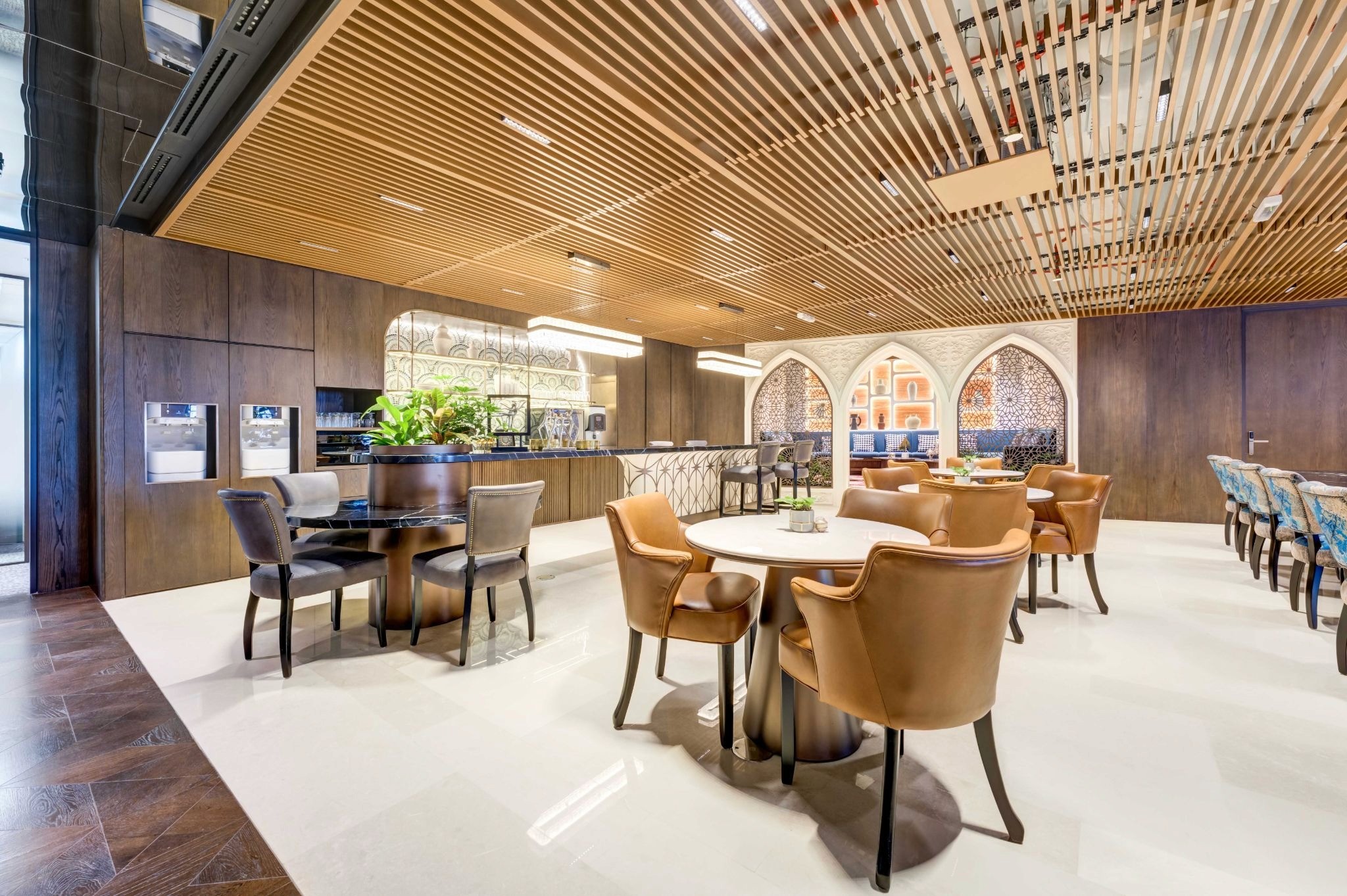
7. Have Areas for Different Types of Discussions
Not all communication happens in the main room during a business networking event. Providing a variety of spaces allows participants to choose the environment that suits the nature of the conversation they want to have.
Consider including:
Informal lounge spaces
High tables for casual talks
Private rooms for confidential chats
Refreshment stations that facilitate mingling
Offering different settings supports a wider range of interactions throughout the programme.
8. Use Technology to Improve the Experience
Digital tools can simplify organisation while making participation easier for everyone involved. The right solutions also help streamline communication before, during and after the event.
Useful additions include:
Online registration
QR code check-in
Digital programmes
Live polling platforms
Mobile event applications
Audience question tools
Thoughtful use of advanced infrastructure and connectivity enhances convenience without distracting from face-to-face exchanges.
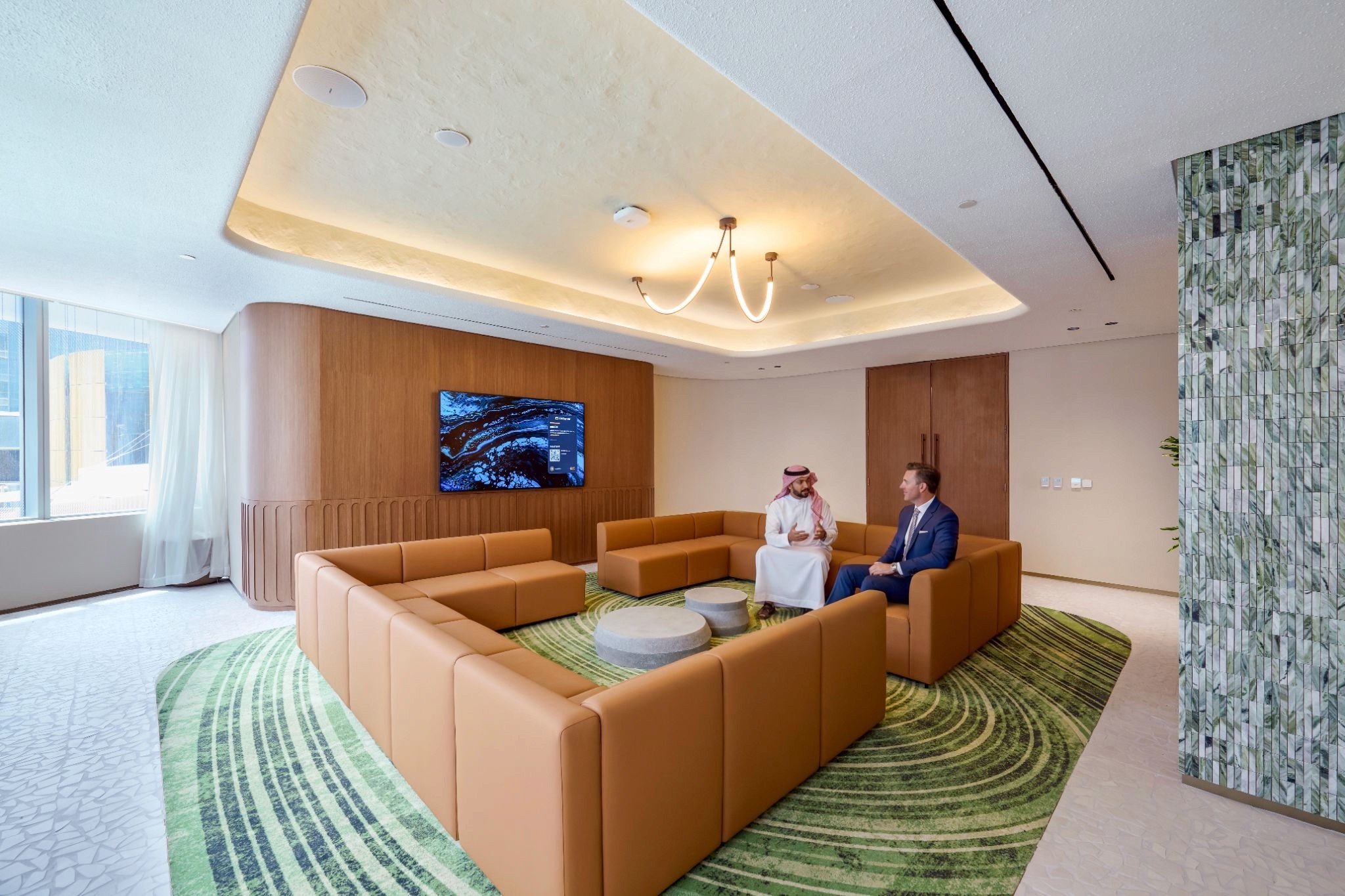
9. Encourage Conversations Beyond the Schedule
Some of the most valuable relationships develop outside formal sessions. Giving participants additional opportunities to connect can create stronger professional outcomes.
You can allow continued interaction by:
Scheduling longer refreshment breaks
Organising informal coffee sessions
Hosting post-event receptions
Providing networking lounges
Introducing attendees with shared interests
Creating time for organic bonding often leads to more meaningful networks.
10. Maintain the Contact Afterward
The value of a networking event should extend beyond the closing remarks. Following up promptly helps strengthen new relationships while keeping discussions moving forward.
Consider:
Sending a thank-you email
Sharing presentation materials
Requesting attendee feedback
Connecting on LinkedIn
Arranging follow-up meetings
Sharing photographs or event highlights
Timely communication reinforces the connections established during the gathering and creates opportunities for future collaboration.
Building Lasting Value Through Business Networking
Hosting a successful business networking event requires thoughtful preparation, careful coordination, and a genuine focus on bringing people together. Every decision, from the guest list and programme to the overall environment, contributes to the quality of the experience.
By creating opportunities for authentic conversations, encouraging participation and maintaining communication afterwards, organisations can build stronger professional relationships while delivering lasting value for every attendee.
Community News
Meeting and Events

With a background that spans luxury hospitality at Shangri-La and Westin before making the move into commercial real estate. That cross-sector experience gives him a sharp edge in understanding what businesses and people really need from a workspace.
Table of Content
Frequently Asked Questions
Does the number of attendees affect a networking event's success?
Yes. While larger gatherings can create more networking opportunities, they may also make meaningful conversations more challenging. Smaller events often encourage stronger interactions and allow attendees to build deeper professional relationships. The ideal attendance depends on your objectives, venue capacity, and the type of experience you want to create.
What common mistakes should I avoid when organising?
They include inviting the wrong audience, overloading the agenda, allowing too little time for networking, overlooking attendee comfort, and failing to follow up after the gathering.
When is the best time of day to host?
The ideal timing depends on your audience. Breakfast sessions are often suitable for executives, lunchtime gatherings fit busy schedules, while evening receptions can encourage more relaxed conversations.
How do I attract the right audience?
Promote the gathering through targeted invitations, industry associations, LinkedIn, email campaigns and business communities to reach professionals who are most likely to benefit.
What are the best ways to reduce no-shows?
Send reminder emails, provide calendar invitations, share joining instructions, and confirm attendance a few days before the gathering. A clear agenda can also encourage guests to attend.
Related Articles

How to Choose a Function Hall: Key Considerations for Work Events
Meeting and Events

Why KAFD: Advantages and Opportunities for Businesses (2026)
Industry Insights
Professional Development

KAFD Conference Center: Riyadh’s Premier Venue for Business Events
Community News
Meeting and Events

Business Centre in Riyadh: Office Spaces in KAFD
Virtual Office
Private Office
Coworking Space
TEC Collaboration